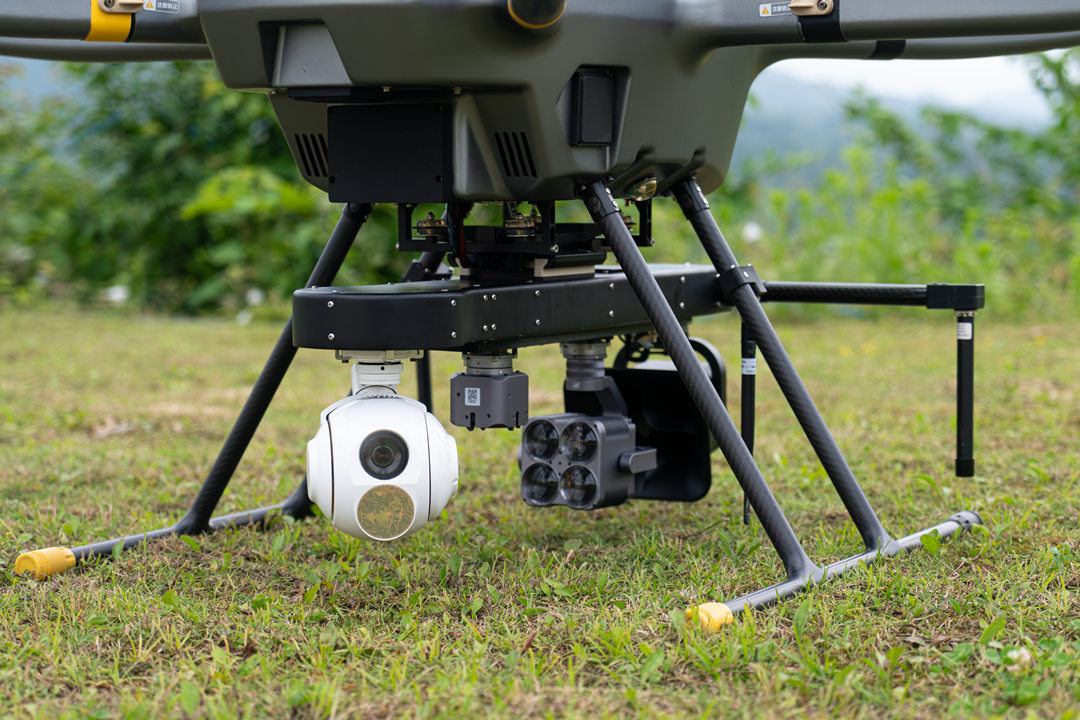
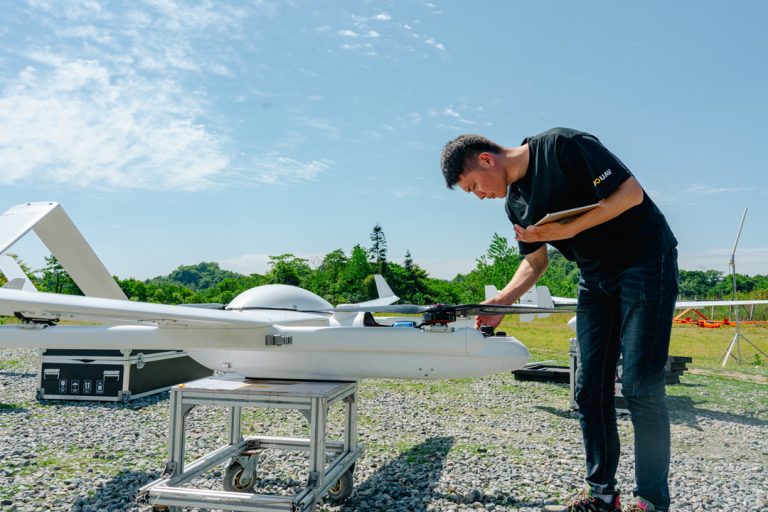
Most drone failures don’t start in the air. They start on the ground, in the five minutes of inspection that someone decided to skip.
A loose propeller. A battery that swelled slightly since las
A drone can cost anywhere from $30 to over $150,000. In 2026, the main price bands look like this:
- Toy drones: $30-$100
- Beginner drones: $100-$400
- Camera (prosumer) drones: $400-$2,000
- Professional drones: $2,000-$10,000
- Enterprise and industrial drones: $10,000-$50,000, with complete systems reaching $150,000
- DIY and custom builds: $200-$3,000+
What separates a $200 drone from a $20,000 one isn't the airframe—it's the sensor, the endurance, the positioning accuracy, and the software and support behind it.
A toy drone carries a 720p camera and flies for seven minutes. An industrial VTOL carries a survey-grade LiDAR and flies for eight hours.
This guide breaks down drone prices by category, by budget, by specification, by brand, by industry, and by unit of work—plus the ongoing costs most buyers forget.
Whether you're spending $300 or $300,000, you'll find a number you can plan around.
2. Flight Time and Range
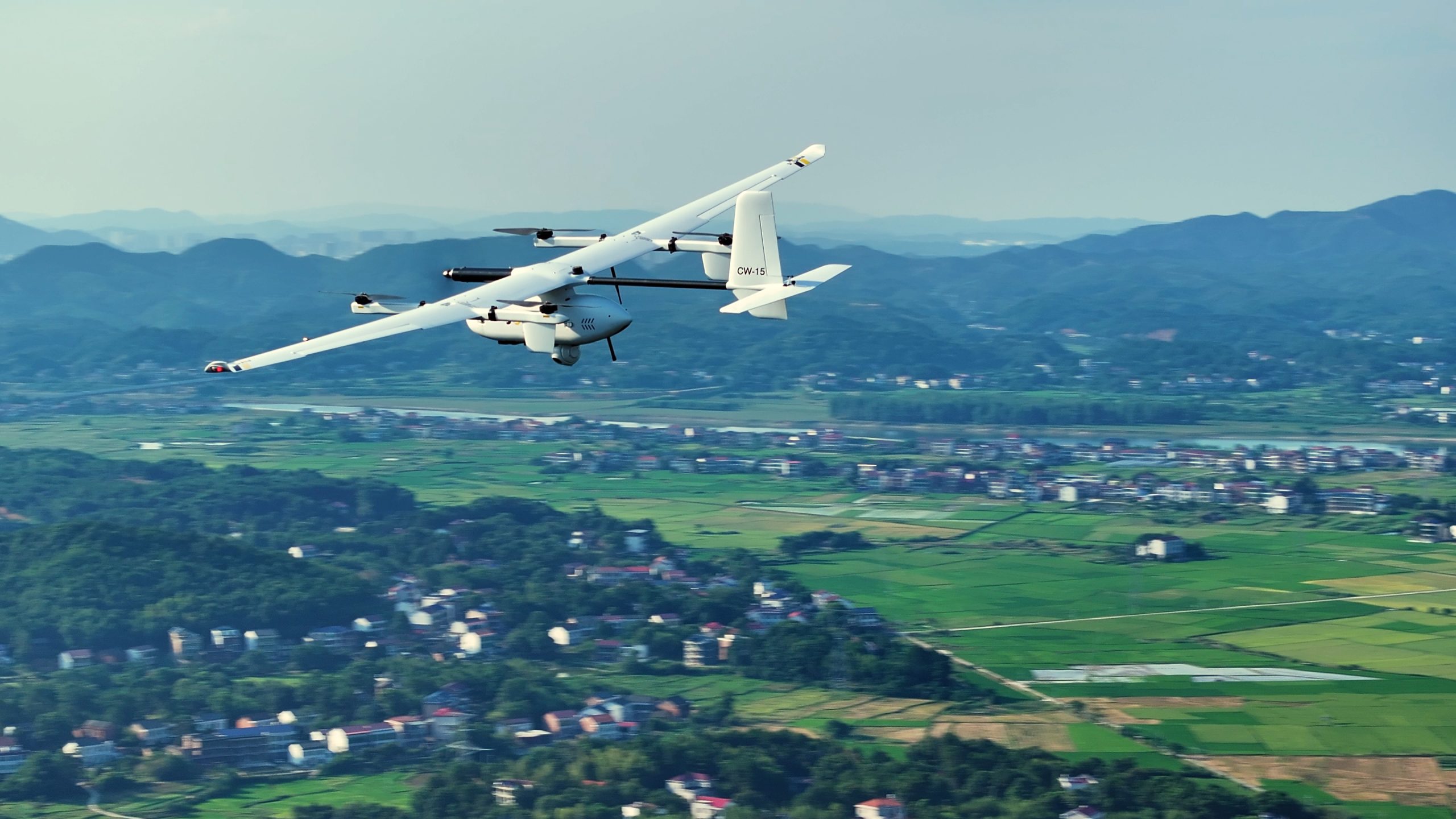
Most toy drones fly for 5–10 minutes. Consumer drones manage 20–45 minutes per battery. Industrial VTOL fixed-wing drones can stay airborne for 3–10 hours and cover hundreds of kilometers in a single flight. Longer endurance requires bigger batteries, more efficient propulsion, and sometimes hybrid fuel systems—all of which raise the price.
3. Sensors and Flight Safety
GPS positioning, obstacle avoidance, precision landing, and return-to-home are now standard on mid-range drones. Professional and enterprise models add RTK/PPK positioning for centimeter-level accuracy, redundant flight controllers, and millimeter-wave radar. Every layer of safety and precision adds cost.
4. Build Quality and Materials
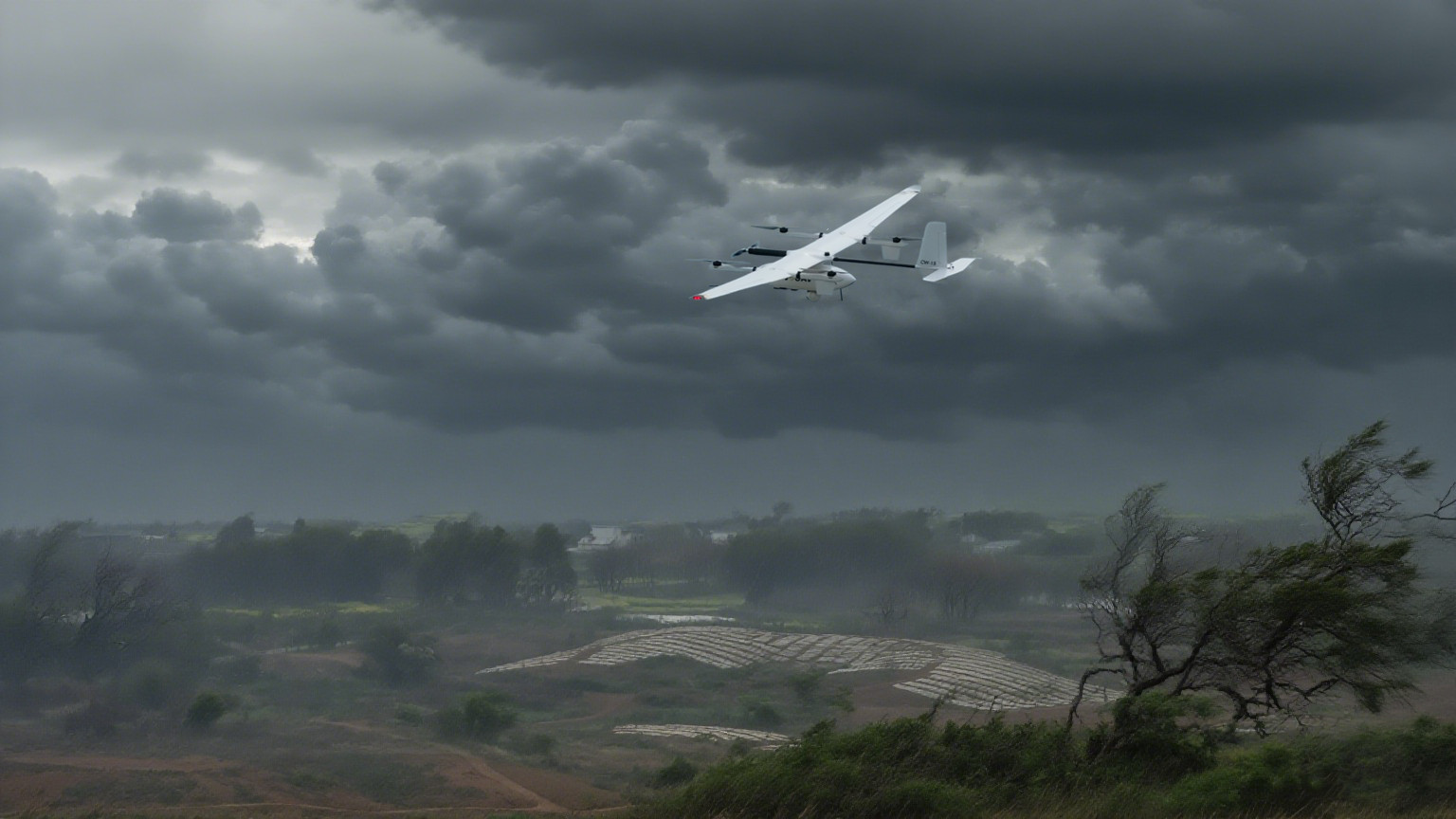
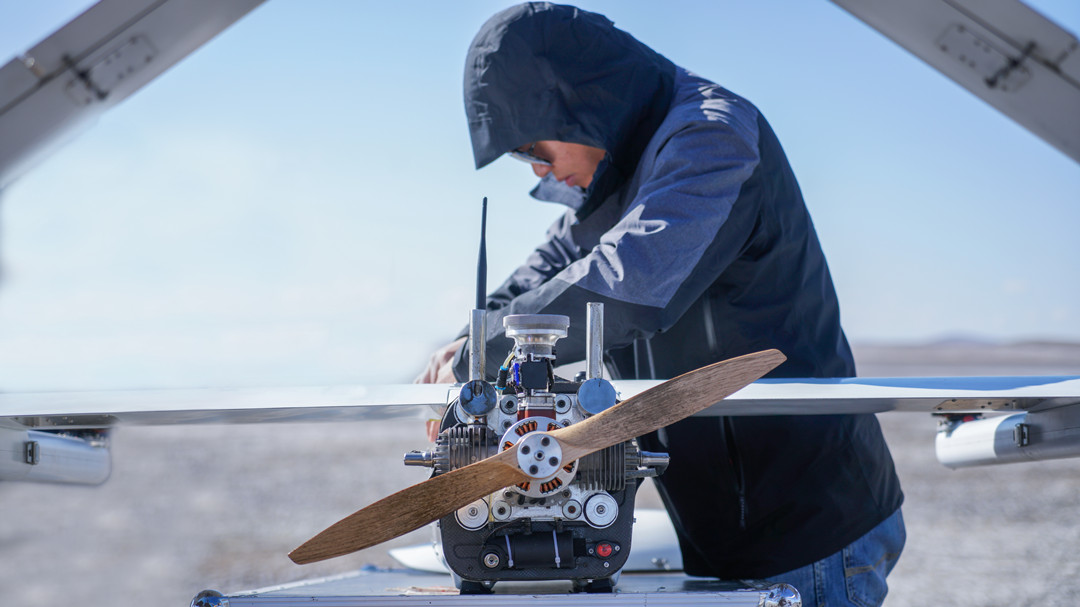
Toy and beginner drones use lightweight plastic. Prosumer models mix in tougher composites. Industrial drones use carbon fiber airframes, weather-sealed housings, and vibration-dampened payload mounts because they're expected to fly in rain, wind, dust, and extreme temperatures for years.
5. Software, Support, and Ecosystem
The sticker price increasingly includes software: autonomous mission planning, real-time mapping, fleet management, and data processing. Established brands also charge for what you don't see—firmware updates, repair networks, training, and regulatory compliance support. For commercial buyers, these services often matter more than the hardware itself.
How Much Does a Toy/Beginner Drone Cost?
Typical price range: $30-$200
Toy and beginner drones are the most affordable option. They are designed primarily for recreational flying and learning basic controls rather than producing professional-quality images
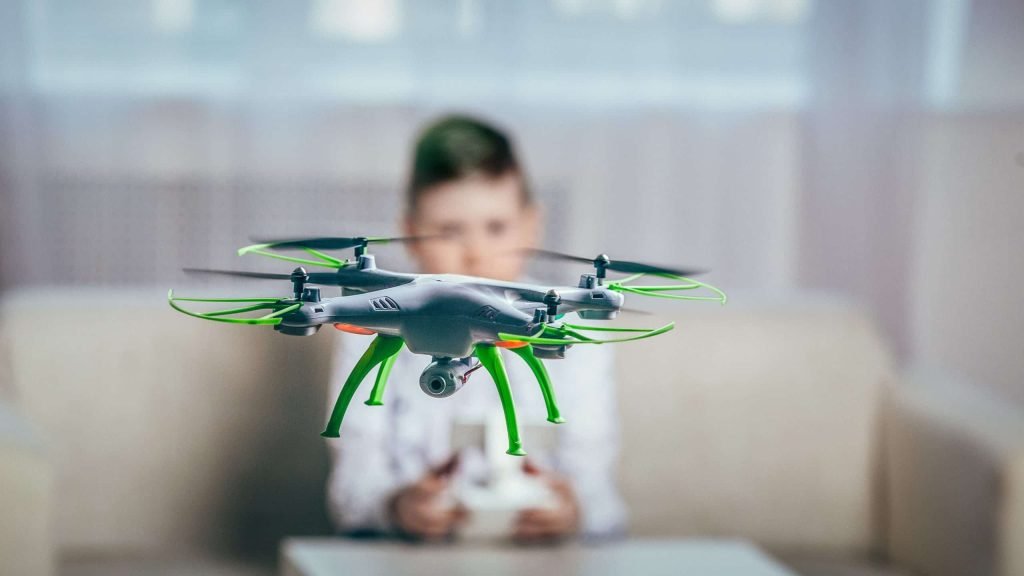
Popular toy drones and real-world prices:
How Much Do Consumer Drones Cost?
Typical price range: $200-$1,500
Entry-Level Consumer Drones: $200–$500
Entry-level consumer drones offer a significant improvement in camera quality and flight performance compared with basic toy models.
At this price point, you can generally expect:
4K video recording on many models.
GPS positioning and return-to-home functions.
Mechanical gimbal stabilization on selected models.
Approximately 25–35 minutes of advertised flight time.
Foldable designs for easier transportation.
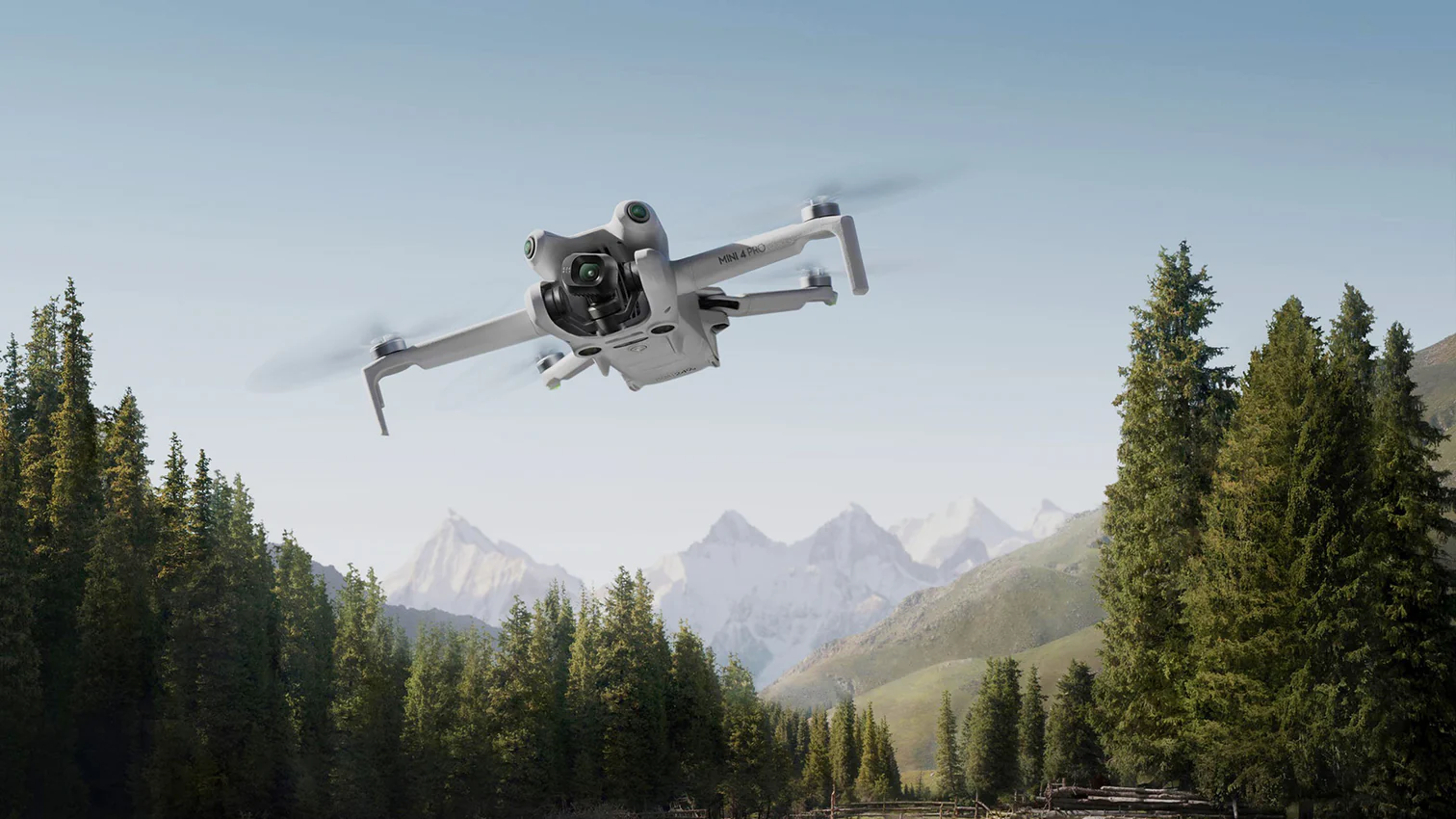
For example, the DJI Mini 4K is listed at $299 for its standard configuration, while its Fly More Combo is listed at $449. The additional cost covers extra batteries and accessories, which can be useful for longer shooting sessions.
Who should buy one?
This category is suitable for travelers, beginners who want better image quality, and casual aerial photographers. It is also a reasonable starting point for people exploring drone photography before investing in more expensive equipment.
Mid-Range Consumer Drones: $500–$1,500
Mid-range drones offer better cameras, more advanced flight features, and improved obstacle sensing.
Typical features include:
Larger camera sensors, including 1-inch-class sensors on some models.
Higher-quality image processing and improved low-light performance.
Omnidirectional or more advanced obstacle sensing on selected models.
Intelligent tracking and automated shooting modes.
Longer flight times and more capable transmission systems.
Representative examples include the DJI Mini 5 Pro, listed at approximately $759-$1,099 depending on the configuration, and the DJI Air 3S, listed at approximately $1,099–$1,399 in the US market.

The main reason to spend more in this category is image quality and flight capability. Larger sensors can capture more light, while advanced obstacle sensing and tracking features make aerial photography easier and more reliable.
Who should buy one?
These drones are suitable for travel creators, real estate photographers, social media producers and serious hobbyists. For many users who do not need specialized sensors or survey-grade positioning, this category offers a good balance between price and performance.
How Much Do Prosumer Drones Cost?
Typical price range: $1,500–$5,000
Prosumer drones bridge the gap between consumer camera drones and professional aerial imaging platforms.
They are designed for users who need greater control over image quality and more advanced imaging workflows.
Typical features include:
Larger imaging sensors, including Four Thirds and full-frame systems on selected platforms.
Advanced color profiles and professional video recording formats.
Multiple camera and lens options.
Improved stabilization and intelligent flight functions.
More advanced transmission and image-processing capabilities.
For example, the DJI Mavic 4 Pro is listed at approximately $2,199 for its standard US configuration. Higher-end configurations and accessory bundles can cost considerably more.
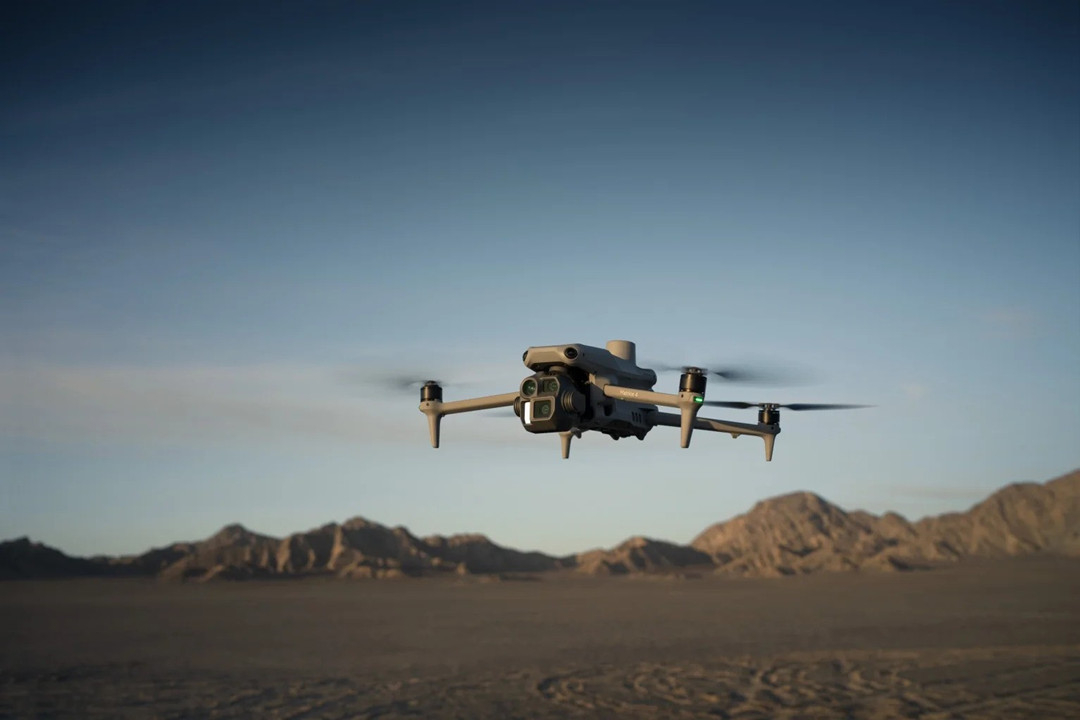
At this level, the value comes primarily from the imaging system and the flexibility it offers during production and post-processing.
A prosumer drone may be worthwhile when clients expect high-quality aerial footage, detailed images, or greater flexibility in editing. However, these features are unnecessary for casual photography and social media videos.
Who should buy one?
Professional photographers, videographers, production companies, and experienced content creators who regularly deliver paid aerial imaging work may benefit from this category.
How Much Do Professional Drones Cost?
Typical price range: $5,000-$10,000
Professional drones are designed for commercial operations that require more than a built-in camera. They often support specialized sensors, more precise positioning, and workflows for collecting data in demanding environments.
Depending on the platform, they may support:
RTK or PPK positioning for improved geolocation accuracy.
Thermal or specialized imaging payloads.
Zoom cameras and laser rangefinders.
More advanced obstacle detection.
Enterprise flight planning and data management.
Additional safety and redundancy features.
Examples include the DJI Matrice 4E at approximately $5,189, the Matrice 4T at around $7,849, and the Autel EVO Max 4T at approximately $8,999. These figures refer to representative product configurations and may not include every accessory or service required for a commercial operation.

Unlike consumer drones, some professional platforms support specialized payloads or configurable imaging systems. This makes them suitable for applications such as infrastructure inspection, construction monitoring, and professional mapping.
The final price depends heavily on the equipment included. An aircraft with an integrated camera may cost substantially less than a system equipped with thermal imaging, RTK positioning, or a specialized mapping sensor.
Who should buy one?
Commercial operators, engineering firms, inspection contractors, and professional survey teams may need this category when their work requires specialized data collection or higher operational reliability.
How Much Do Enterprise & Industrial Drones Cost?
Typical price range: $10,000-$150,000+
Enterprise and industrial drones are built for demanding operations such as large-area surveying, power line inspection, public safety, infrastructure monitoring, mining, and long-range surveillance.
Unlike consumer camera drones, an industrial drone is often purchased as a complete mission-ready system rather than as an individual aircraft.
A typical package may include:
Aircraft and flight control system.
Professional imaging or sensing payloads.
Ground control station.
Batteries, charging equipment, and spare parts.
Flight planning and data management software.
Training, technical support, and maintenance services.
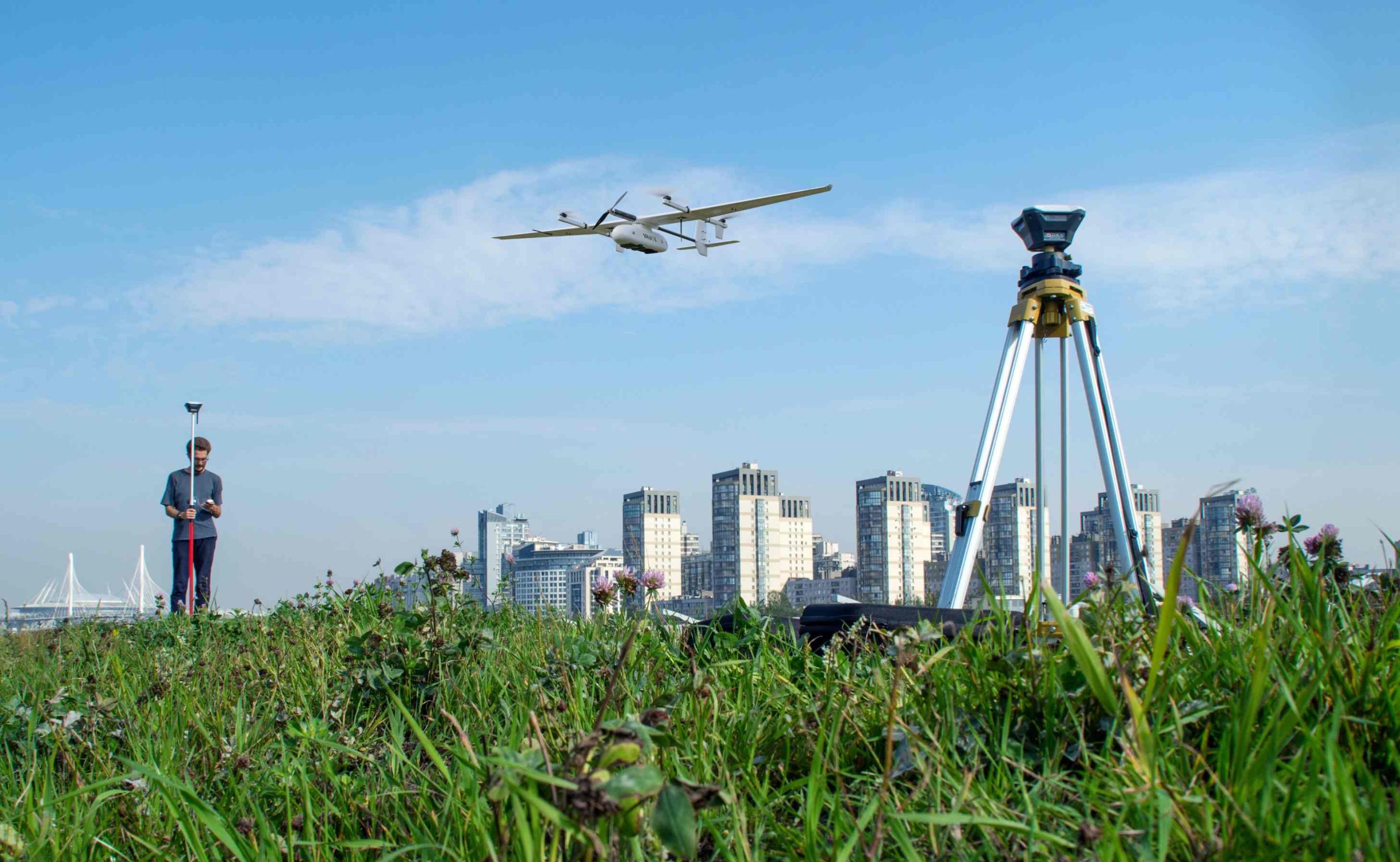
Industrial platforms also vary significantly in design. Multirotor drones are suitable for hovering and close-range inspection, while fixed-wing and VTOL platforms are better suited to covering larger areas or operating over longer distances.
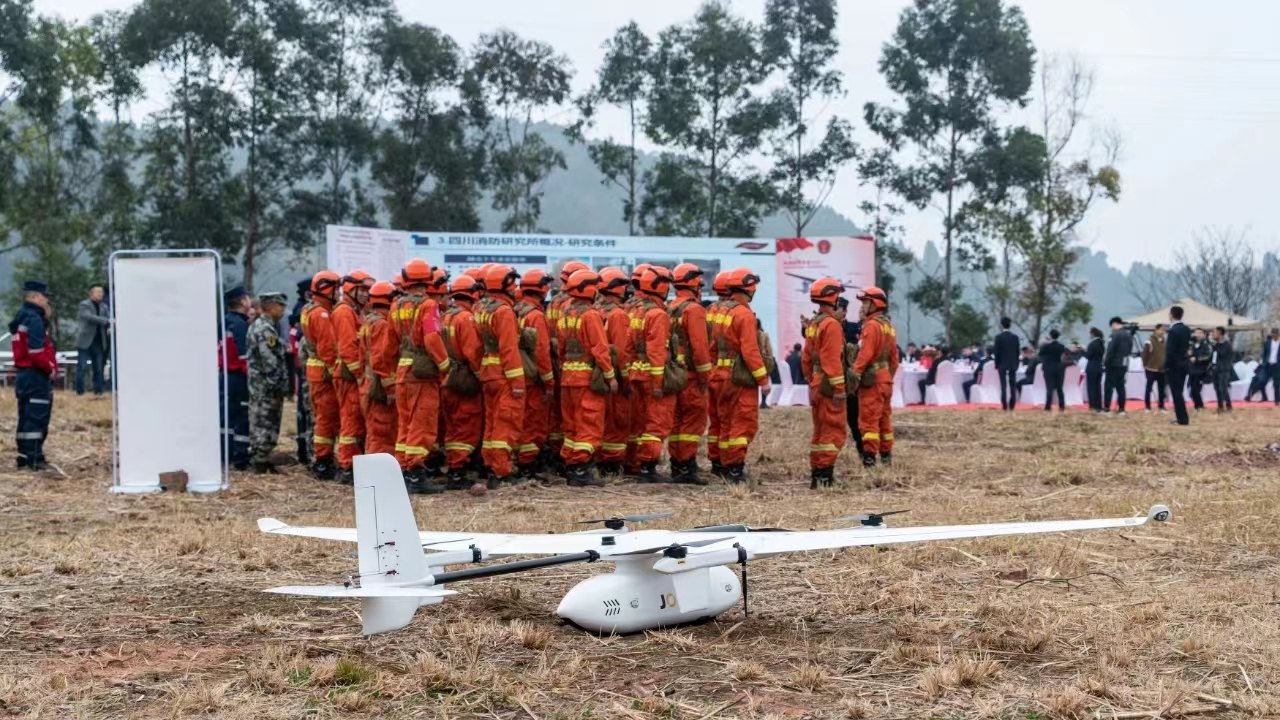
For example, long-endurance VTOL platforms such as the JOUAV CW-15 and CW-30E are designed for professional applications requiring extended flight time, specialized payload integration, and large-area coverage.

For industrial buyers, the aircraft is only one part of the investment. Payload integration, operating range, endurance, communication systems, software, and after-sales support can all affect the final system cost.
Who should buy one?
Surveying companies, utility operators, government agencies, mining companies and organizations conducting large-scale aerial operations are typical buyers.
For these users, the important question is not simply how much the drone costs, but how efficiently it can complete the required mission.
Frame designs range from three-rotor to eight-rotor configurations, including quadcopters and hexacopters. More rotors can provide greater stability and payload capacity, but also increase costs. Other key components include the flight controller, which manages flight operations, and the electronic speed controller (ESC), which controls motor speed.
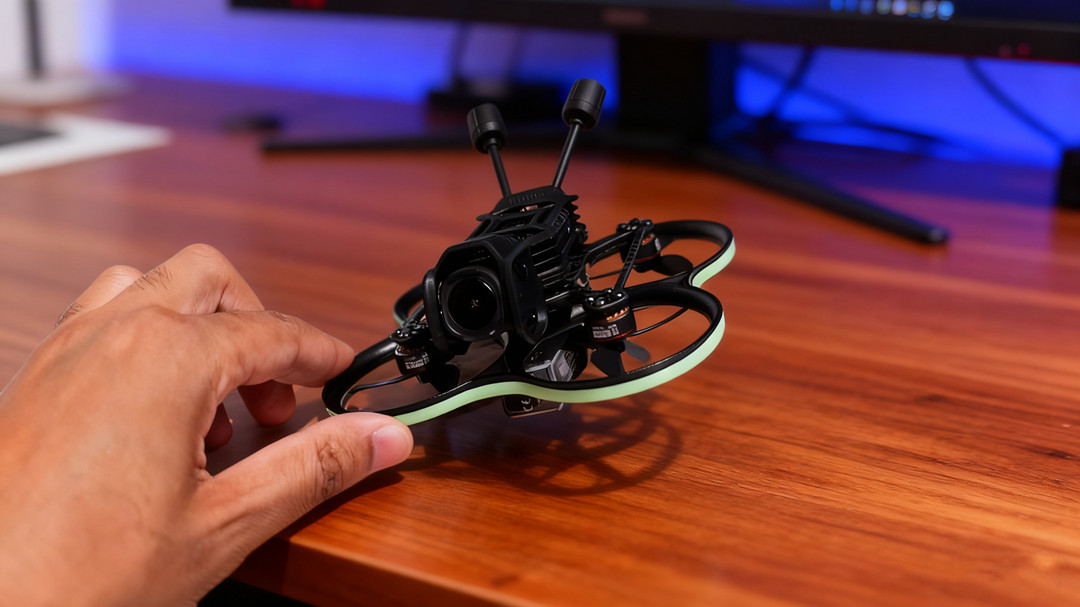
However, building your own drone does not necessarily save money. A $400 DIY build is unlikely to match a $400 DJI drone in image quality, stabilization, or reliability. Established manufacturers spread sensor and software development costs across large production volumes. DIY builds make more sense for FPV racing, research, or specialized configurations that commercial manufacturers do not offer.
FPV drones follow a different pricing structure. They typically prioritize speed and maneuverability over GPS-based autonomous flight and stabilized camera systems. Typical costs include:
Ready-to-fly kit: $150–$400
Custom 5-inch freestyle build: $400–$800
Cinewhoop: $350–$1,000
Competitive racing quad: $500–$1,200
You also need supporting equipment, which can significantly increase the initial investment:
Goggles: $100–$600
Radio controller: $100–$300
Charger: $150–$300
These accessories can nearly double the entry cost. If you fly weekly, budget an additional $300–$800 in the first year for crash repairs and replacement parts.
For a closer look at FPV technology and its applications, see our guide to what an FPV drone is.
Mapping drone costs depend on the required ground sampling distance (GSD), positioning accuracy, survey area, and final deliverables.
An RGB camera may be sufficient for standard orthomosaic production, while more demanding projects may require RTK/PPK positioning, oblique cameras, or LiDAR sensors.
LiDAR is particularly useful in areas with dense vegetation, where photogrammetry may struggle to capture ground elevations. However, LiDAR systems are generally more expensive because of the sensor hardware, integration and data-processing requirements.
For large survey areas, flight efficiency also becomes an important purchasing consideration. A multirotor may be suitable for smaller sites, but a fixed-wing or VTOL platform can cover much larger areas per flight.
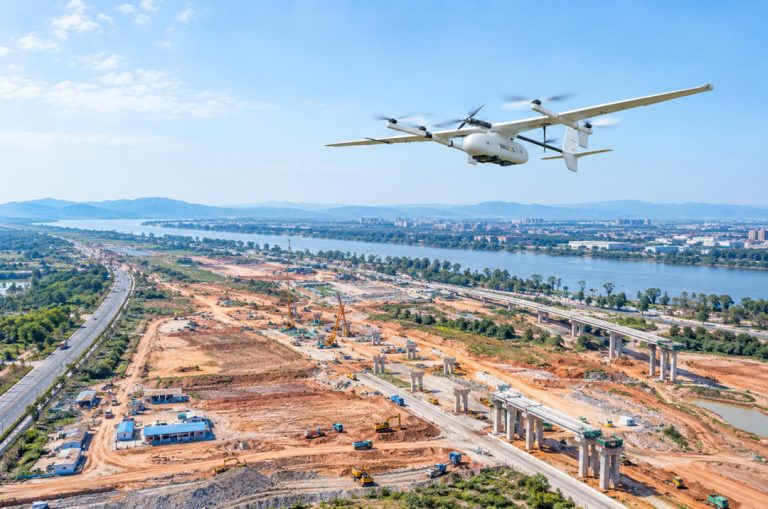
For example, JOUAV's CW-series VTOL platforms can be configured with mapping cameras and LiDAR payloads for large-area surveying. The appropriate configuration depends on the survey area, terrain, required accuracy, and sensor specifications.
Public safety drones may require thermal cameras, optical zoom, spotlights, loudspeakers, and reliable communication systems.
For emergency response, a multirotor is often useful because it can launch quickly, hover over an incident, and provide close-range imagery.
For large-area surveillance, however, longer flight endurance and operating range become more important. A long-endurance VTOL platform can cover a much larger area than a conventional multirotor during a single mission.
The final cost depends on the surveillance area, required flight duration, payload combination, communication range, and command-and-control infrastructure.
For example, JOUAV's CW-series platforms can be configured for extended surveillance missions using EO/IR payloads and other specialized equipment.
The US has a relatively low certification cost: a $175 multiple-choice exam, no flight test or minimum flight hours, and free online recurrent training every 24 months.
Other markets may require separate pilot qualifications, operator registration, and operational authorization. For example, the UK distinguishes pilot competence from operator responsibility, while higher-risk EU operations fall under the specific category and require authorization.
Check all three requirements before budgeting. See our drone flight laws guide for country-specific rules.

Insurance ($30–$10,000)
Recreational liability insurance costs approximately $30–$40 per day or $500–$750 per year. Commercial hull-and-liability coverage typically costs $750–$1,500 for professional setups and $2,000–$10,000 for industrial operations with expensive payloads.
Many commercial clients require proof of insurance before accepting bids. Premiums depend more on payload value and mission risk than on the airframe itself.
Learn more in our drone insurance guide.
Batteries and Accessories ($30–$1,000 per Battery)
Drone batteries are consumables. LiPo packs typically last 200–300 charge cycles before capacity drops below 80%. For example, two batteries used three times daily over 150 days accumulate 450 cycles per year, making replacement necessary every 12–18 months.
Consumer batteries: $30–$80 per pack
Industrial batteries: $300–$1,000 per pack
Three batteries are a practical minimum for paid operations; one may be sufficient for hobby use.

Accessories also add to the budget. ND filters cost $30–$100, spare propellers $5–$50 per set, and other items such as landing pads, cases, and a second controller can add $100–$500 for consumer setups. Industrial kits may require several thousand dollars for transport cases and launch equipment.
Maintenance and Repairs ($50–$3,000 per Year)
Annual scheduled maintenance typically costs:
Consumer drones: $50–$100
Professional drones: $200–$500
Industrial platforms: $1,000–$3,000, often under service contracts
Repairs can be more expensive. Replacing a consumer drone's gimbal camera typically costs 30–40% of the aircraft's price. Protection plans such as DJI Care and equivalents cost $79–$399 for two years and may be worthwhile for frequent flights in challenging environments.
For industrial drones, also check the vendor's repair turnaround time. Extended downtime reduces operational productivity as well as increasing repair costs.
Software Subscriptions ($1,000–$20,000 per Year)
Software is another recurring expense that is easy to overlook. Consumer flight apps are generally free or inexpensive, while professional and enterprise tools cost considerably more:
Mapping/photogrammetry software such as Pix4D, DJI Terra, and Agisoft: $1,000–$5,000 per year
Enterprise fleet management, analytics, and cloud processing: $5,000–$20,000 per year
Over a five-year service life, software subscriptions can cost more than the drone itself, regardless of how frequently it is flown.
Training and Data Storage ($500–$2,000+)
Formal operator training typically costs $500–$2,000. Specialized training for payloads and workflows, such as LiDAR calibration, thermal analysis, and GIS, adds to the expense.
Data storage and processing costs depend largely on survey size and resolution. A single 300 km² LiDAR survey can generate 500 GB–2 TB of data, with cloud processing costing $200–$1,000 per project. Local processing avoids some cloud fees but requires additional hardware and staff time.
Most pilots buy at least two spare batteries immediately—30 minutes of flight time disappears fast in the field.

Read More

Your drone promises up to 46 minutes of flight time, but you’re back on the ground much sooner than expected.
What happened? In practice, advertised flight times are maximum figures measured under spe
Drone mapping services can produce far more than aerial photos—orthomosaics, 3D models, point clouds, and elevation data that feed directly into GIS, CAD, and BIM workflows. But ask three providers to

JOUAV Product News and Use Cases
Fixed-Wing VTOL Drones Insights and Industry Trends
Invitations to online demo events
 English
 中文