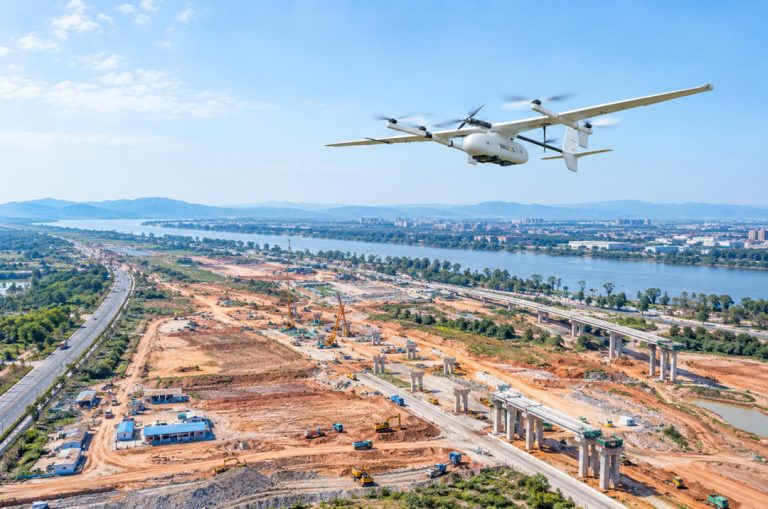
Your drone promises up to 46 minutes of flight time, but you’re back on the ground much sooner than expected.

What happened? In practice, advertised flight times are maximum figures measured under specific test conditions, not guarantees of how long a drone will stay airborne on every flight. Wind, payload weight, temperature, and flying style can all affect actual drone battery life.

Knowing the advertised flight time is only part of the picture. If you’re planning an aerial survey, capturing footage, or inspecting infrastructure, the time a drone can realistically spend in the air matters far more than the number on the spec sheet.

This guide explains how long different types of drones can fly, what affects battery performance, and how to make the most of each charge.

CW-15 smart battery

How Long Does a Drone Battery Last?

How Long Does a Drone Battery Last? Flight Time vs. Cycle Life

Drone battery life means two different things, and confusing them is why so many buyers end up disappointed. The first is flight time per charge — how long the aircraft stays airborne before you land. The second is battery lifespan — how many charge cycles the pack survives before capacity drops noticeably. A drone can have a great single-charge number and a mediocre cycle life, or the other way around. This section covers both, starting with realistic per-charge flight times.

The table below is a planning reference, not a promise. The spec sheet is a ceiling; real flying almost always lands below it. The "real vs advertised" column shows roughly how close each category gets to its rated number.

Drone typeTypical real-world flight timeBest-in-class exampleReal vs advertised
Toy / budget drones5–12 minMost sub-$100 kits~60–75%
Consumer camera (sub-250g)25–30 minDJI Mini 4 Pro (34 min rated)~75–85%
Consumer camera (mid-range)32–40 minDJI Air 3S (45 min rated)~70–85%
Consumer camera (flagship)39–46 minDJI Mavic 4 Pro (51 min rated)~80–90%
FPV racing / freestyle3–6 min5-inch race buildThrottle-dependent
FPV cinematic / long-range10–25 min7-inch cine-lifter60–80% with payload
Industrial multirotor30–55 minDJI Matrice series~70–85%
All-electric VTOL fixed-wing1–3 hrJOUAV CW-15 (180 min no payload)Mission-profile dependent
Hybrid long-endurance UAVSeveral hoursJOUAV CW-30E (480 min rated)Test-condition dependent
Hydrogen fuel-cell industrial2–4.5 hrCopterbit hydrogen multirotor~80–95% in cold
Tactical / military4–24+ hrVXE30 Stalker (24 hr with fuel cell)Platform-dependent

Those ranges hide a lot. A 5-inch racing quad and a 7-inch cinematic build are both "FPV drones," but they don't belong in the same battery conversation. The same is true for a 55-minute multirotor and an 8-hour hybrid VTOL. So let's break the categories down properly.

Toy and Budget Drones: 8–12 Minutes, and Treat the Low End as the Real Number

Toy drones use cheaper LiPo cells with lower energy density, smaller capacity, and less efficient motors.

A drone marketed with "15 minutes flight time" typically delivers 10–12 minutes in reality, and the cheapest no-GPS models often land in the 8–10 minute range.

Budget kits usually ship with two or three batteries, and total session time matters more than any single pack.

If a toy drone claims 20 minutes, that figure almost always assumes a perfect hover in still air—which is not how anyone actually flies a toy.
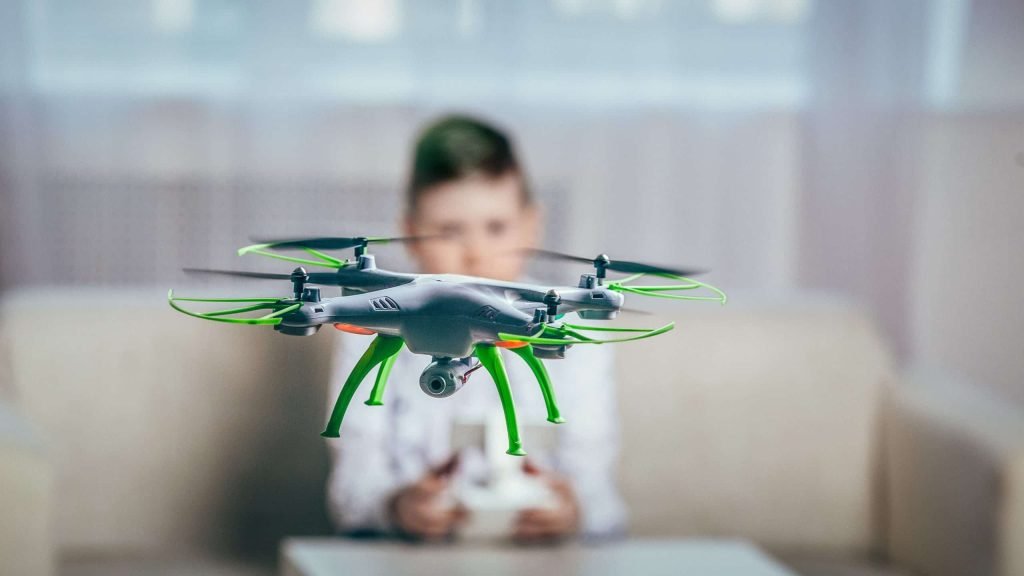
Toy drones

FPV Drones: 3–25 Minutes, But the Range is Misleading

FPV is not one category. Racing and freestyle builds fly 3–6 minutes because they prioritize burst power over endurance.

Cinematic and long-range builds (7-inch and larger) fly 10–25 minutes depending on payload and throttle discipline. DJI's Avata-class cinewhoops typically deliver 10–16 minutes, well below their rated figures, because the ducted prop guards that make them safe for proximity flying also add weight and drag.

If you want FPV flight time that approaches the spec sheet, a 7-inch long-range build is the right tool. The Avata is for proximity, not endurance.
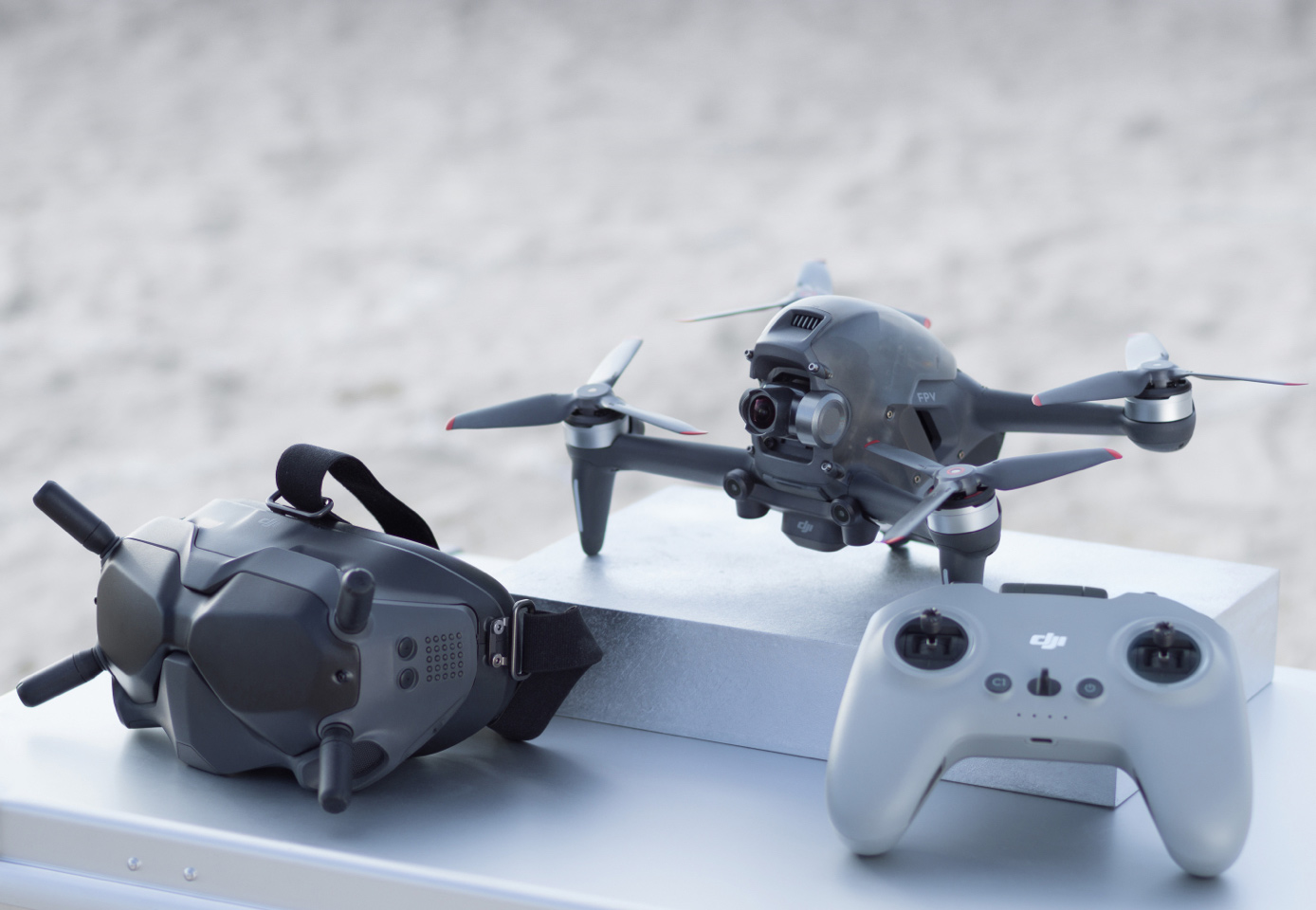
DJI long range FPV drone

Consumer Camera Drones: 25–46 Minutes, Depending on Weight Class

Consumer camera drones split into three weight bands. Sub-250g models typically deliver 25–30 minutes in real life. Mid-range models around 700g deliver 32–40 minutes.

Flagship models around 1 kg deliver 39–46 minutes. The best in each band gets close to 85% of its rated number, but none of them hit the box figure in normal flying.

The lighter the drone, the more every gram of accessory or prop guard costs you in flight time.
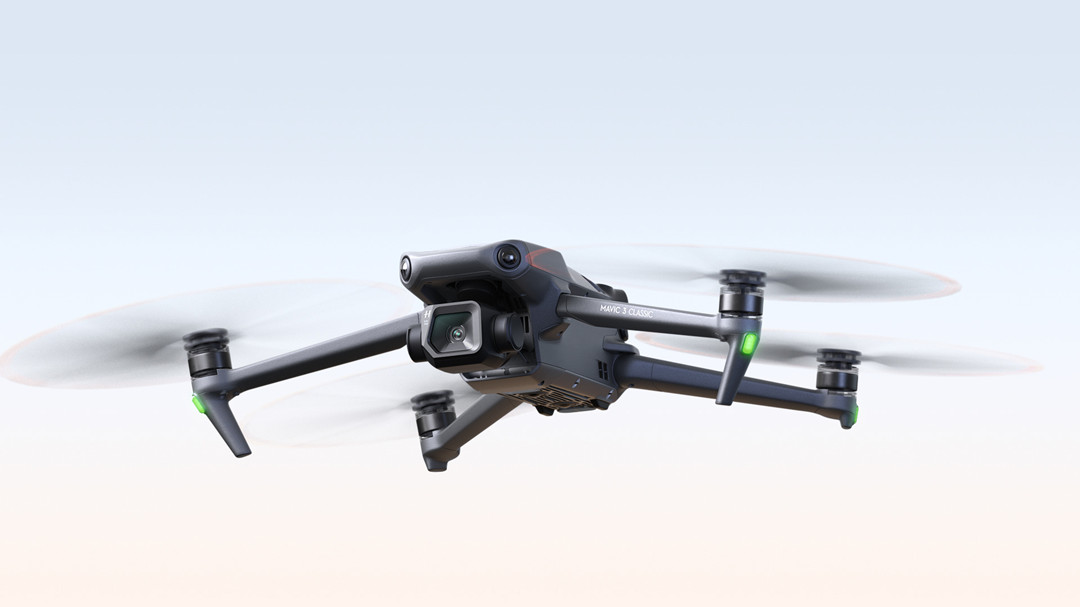
DJI Mavic 3

Industrial Drones: 30 Minutes to 12 Hours, and the Platform Matters More Than the Battery

Industrial endurance is not a battery question. It's an airframe question. Battery-powered multirotors sit at 30–55 minutes. All-electric VTOL fixed-wing aircraft reach 1–3 hours.

Hybrid VTOLs like the JOUAV CW-30E reach 8 hours with a meaningful payload and a 200 km control link. Hydrogen fuel-cell multirotors sit at 2–4.5 hours and maintain performance down to −20°C.

The ceiling for a battery-powered multirotor is roughly 55 minutes before payload, and physics push back. Beyond that, you need a different platform, not a bigger battery.
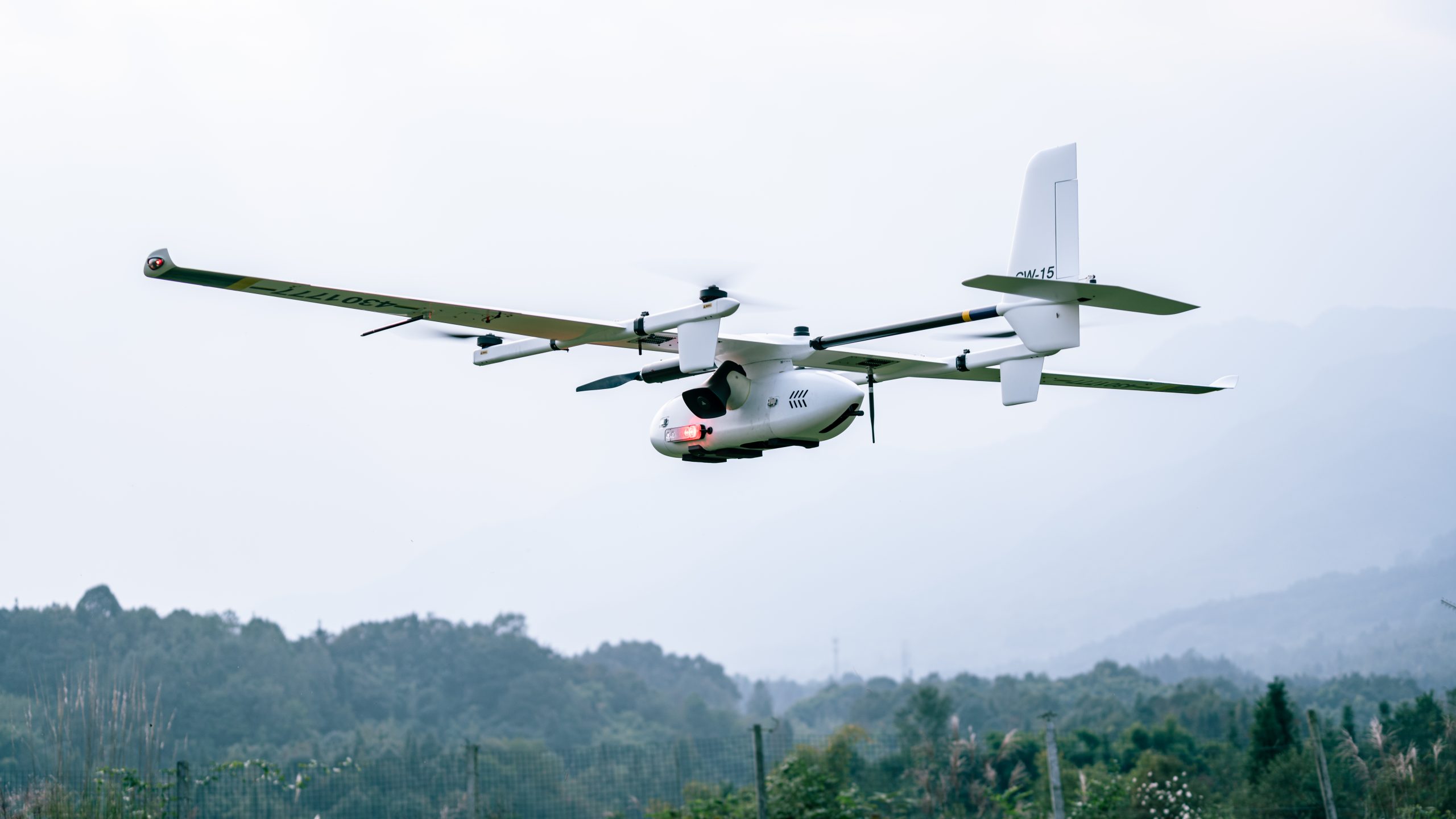
CW-15 public safety drone

Military and Tactical Drones: Measured in Hours, Not Minutes

Battery-powered tactical fixed-wing aircraft reach 4–6 hours. Fuel-cell variants extend that to 24 hours in some fielded systems.

Hydrogen-powered tactical VTOLs offer 8–10 hours of endurance with lower acoustic and thermal signatures than battery systems. Internal-combustion fixed-wings can exceed 28 hours.

These numbers aren't relevant to a photographer or a survey pilot, but they show the upper bound of what "drone endurance" means when the platform is designed around the mission rather than around a consumer battery form factor.

Battery Lifespan: the Second Number That Matters

Flight time gets all the attention, but cycle life decides how often you replace the pack.

LiPo drone batteries typically deliver 200–300 full charge cycles before capacity drops to roughly 80% of original. A pack that once gave you 25 minutes may now give you 20. Beyond that, capacity decline accelerates and cell balance can drift. Commercial operators typically retire packs from billable work at 150–200 cycles and keep them for practice.

Most modern drones expose cycle count in the companion app; tracking it is the best early warning system a pilot has.

The pattern across every category is consistent: the more a drone is optimized for efficient cruise, the closer it gets to its rated number. The more it's optimized for speed, agility, or payload flexibility, the wider the gap.

And in the industrial world, the question shifts from "how long does the battery last" to "how long does the mission require, and which platform gets there with the least operational friction." The next section ranks the specific models that lead each category in 2026.

Which Drone Has the Longest Battery Life? 2026 Rankings

Which Drone Has the Longest Battery Life? 2026 Rankings

The honest answer is that “longest” depends on which number you trust: the manufacturer’s rated ceiling, or what pilots actually record with a camera running, obstacle avoidance active, and a return-to-home reserve. Those two numbers rarely match, and the gap is wider on some models than others.

Below are the 2026 rankings by category, with the rated figure placed next to the real-world range so you can see where the marketing ends and the flying begins.

Consumer Camera Drones

RankModelRated flight timeReal-world planning figureBattery
1DJI Mini 5 Pro (Plus battery)52 min38–45 min (light load)33.15 Wh
2DJI Mavic 4 Pro51 min35–45 min (test-dependent)95.3 Wh
3DJI Air 3S45 min36–40 min62.6 Wh
4DJI Mini 4 Pro (Plus)45 min34–38 min28.4 Wh
5Autel EVO Max 4T42 min34–37 min78 Wh
6DJI Mini 5 Pro (standard)36 min20–29 min19.52 Wh
7DJI Mini 4 Pro (standard)34 min28–30 min18.9 Wh

The Mini 5 Pro’s 52-minute rating with the Plus battery is the highest published consumer figure, but that number describes a 249g airframe in a controlled test. In long-term daily use, DroneXL recorded 20–25 minutes on the standard battery, which is rated at 36 minutes—a gap of roughly 30–45%. A separate high-altitude test reached 29 minutes, and a German lab measured 31 minutes while recording UHD video. The Plus battery closes some of that gap, but the airframe is still light enough that wind and accessory weight eat into endurance faster than they do on a heavier platform.
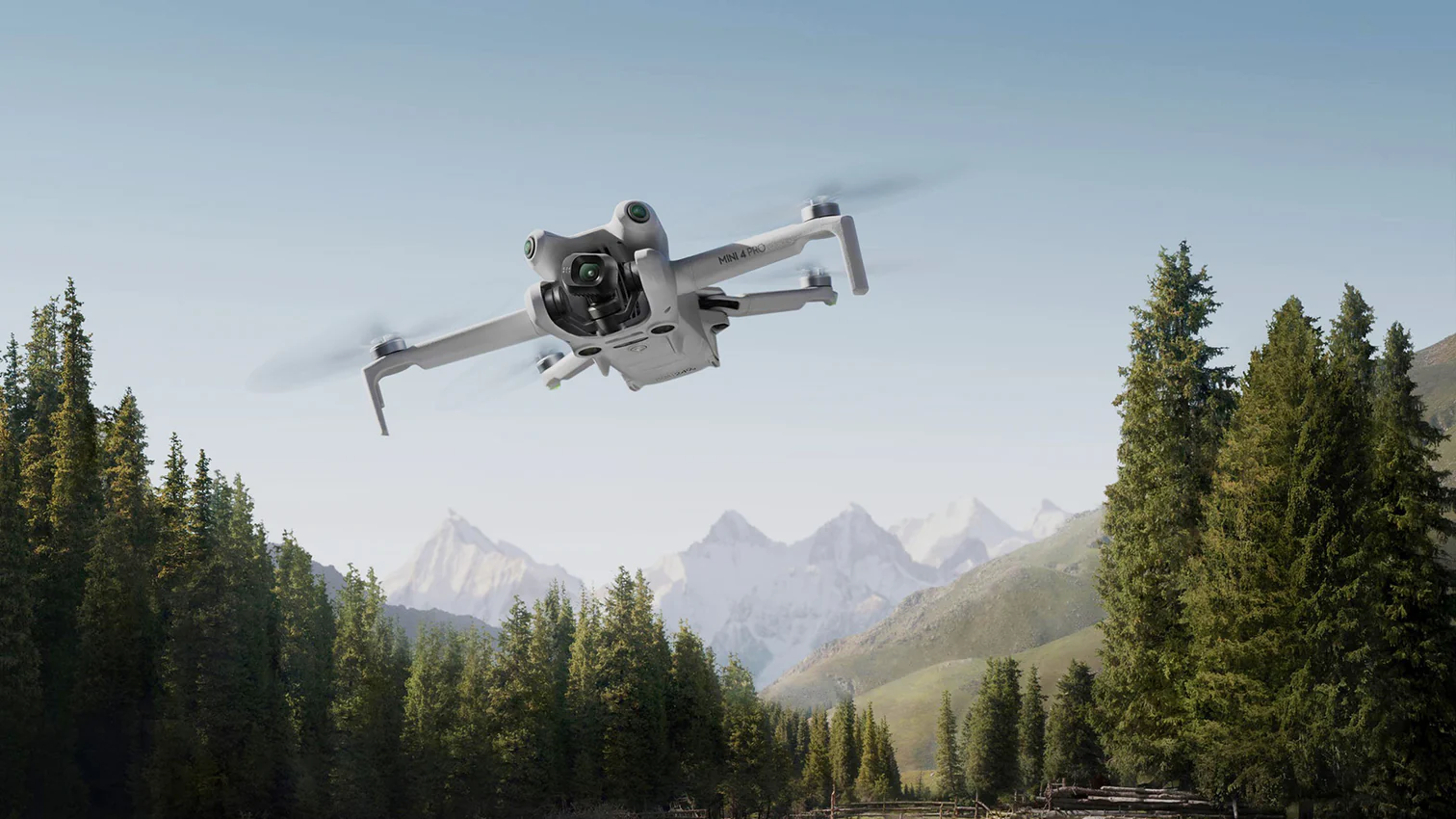
DJI Mini 4 Pro

The Mavic 4 Pro is the more reliable long-endurance camera drone, not because its rated number is higher—it isn’t—but because its 95.3 Wh battery gives it a wider margin between best and worst cases. ZDNet’s reviewer routinely got 45 minutes in mixed flight. But an Austrian user review put real flights at 35–40 minutes, and a photography-focused test in a light breeze saw closer to 39 minutes. The spread is the point: the Mavic 4 Pro can deliver 45 minutes in favorable conditions and still hold 35–40 in wind, which is what predictable commercial endurance actually looks like.

Industrial and Enterprise Drones

ModelRated endurancePlatformPayload/notes
DeltaQuad Evo-LE8 hr/480 kmElectric fixed-wing VTOL1.5 kg payload; announced Sept 2026, no independent benchmark yet
JOUAV CW-30E8 hrHybrid gasoline-electric VTOL6–8 kg payload, 200 km control link
JOUAV CW-15180 minAll-electric VTOL2–3 kg payload
Autel Dragonfish Pro158 minVTOL1 kg payload
Wingtra One Gen II59 minVTOLHigh-resolution mapping
DJI Matrice 350 RTK55 minMultirotor2.7 kg payload

The DeltaQuad Evo-LE, announced in September 2026, is the newest entry in the 8-hour class. DeltaQuad specifies up to 8 hours and 480 km from a dual-battery electric fixed-wing VTOL with a 1.5 kg payload capacity, positioned for ISTAR and border surveillance where fewer rotations mean more continuous coverage. The manufacturer is explicit that the figure depends on payload configuration, mission profile, and operating conditions, and as of October 2026 there is no third-party benchmark data. Treat the 8-hour number as a design target until independent flight logs appear.

The JOUAV CW-30E reaches the same 8-hour ceiling through a hybrid gasoline-electric architecture, but it carries an 8 kg payload and a 200 km control link. For missions that need both endurance and meaningful sensor capacity—pipeline inspection, maritime patrol, large-area mapping—the hybrid trades all-electric simplicity for the ability to lift equipment that a 1.5 kg payload limit cannot accommodate.

If you want all-electric without fuel, the JOUAV CW-15 at 180 minutes and the Autel Dragonfish Pro at 158 minutes are the leading options. For a conventional multirotor, the practical ceiling remains around 55 minutes rated and 45–50 minutes real-world.

If you’re comparing endurance beyond the consumer class, here’s a breakdown of the longest flight time drone platforms, going deeper into VTOL and hybrid options.

What Affects Drone Battery Life?

What Affects Drone Battery Life?

Two identical drones, same battery, same route, can land with a 10-minute difference in flight time. The variable is not the hardware—it's everything around it.

Wind, temperature, how aggressively you fly, how much gear you bolt on, and even how you've stored the pack over the past six months all draw from the same energy budget.

The energy budget in one view

FactorTypical flight-time impactMechanism
Cold (0°C)−20% available capacitySlower lithium kinetics, higher internal resistance
Cold (−10°C to −18°C)−30% to −50%Voltage sag under load, reduced discharge efficiency
Wind (15+ mph, correction required)−20% to −30%Continuous motor output for stabilization
Aggressive flying−30% to −40%Burst current, inefficient thrust angles
Payload / accessories−5% to −15%Increased lift requirement
Aged pack (200–300 cycles)−20% capacity at 80% thresholdNormal electrochemical degradation
Full-charge storage (1 year)−20% capacityHigh-voltage chemical stress

Temperature

Lithium chemistry slows when it gets cold. At 32°F (0°C), most LiPo packs deliver roughly 80% of rated capacity. Below freezing, internal resistance climbs, voltage sags faster under load, and the pack produces less of its own heat during discharge, which accelerates the decline. At 0°F (−18°C), available capacity can drop to 50–60% of normal. In extreme cold below −20°C, losses can reach 90% of usable energy, effectively grounding the aircraft.

Heat is the other extreme. Above 45°C, discharge is still possible, but sustained high-temperature operation accelerates aging faster than normal cycling. Flying in desert conditions won’t cut your flight time as sharply as cold, but it shortens the pack’s overall cycle life.
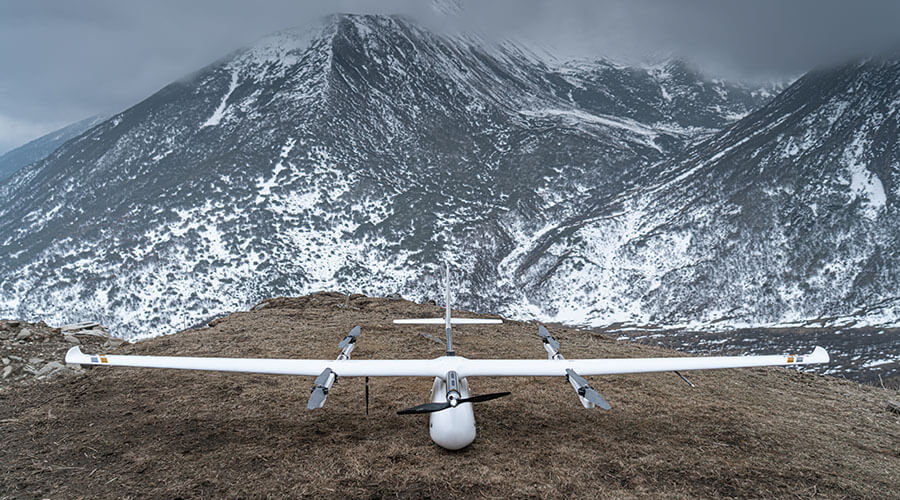
JOUAV CW-15 - Best fixed wing drone for mapping and surveillance

Wind

Wind is the most variable penalty because it depends on how the drone is flying. A multirotor holding position in a 15 mph breeze must continuously tilt and correct, and the motor output required to fight that correction is higher than the output required to cruise in still air. Studies that model wind alongside thermal effects find endurance drops of 30% or more when wind exposure is combined with other environmental stressors.

DJI's own spec sheets acknowledge the gap implicitly: max flight time is measured in a wind tunnel "under conditions equivalent to windless operation," while the aircraft is rated to resist winds up to 12 m/s. Wind direction matters as much as speed. A crosswind that forces constant yaw correction drains energy throughout the flight. The practical rule: if the wind is strong enough to visibly tilt the drone in a hover, plan for a 20–30% shorter flight than the calm-air number.
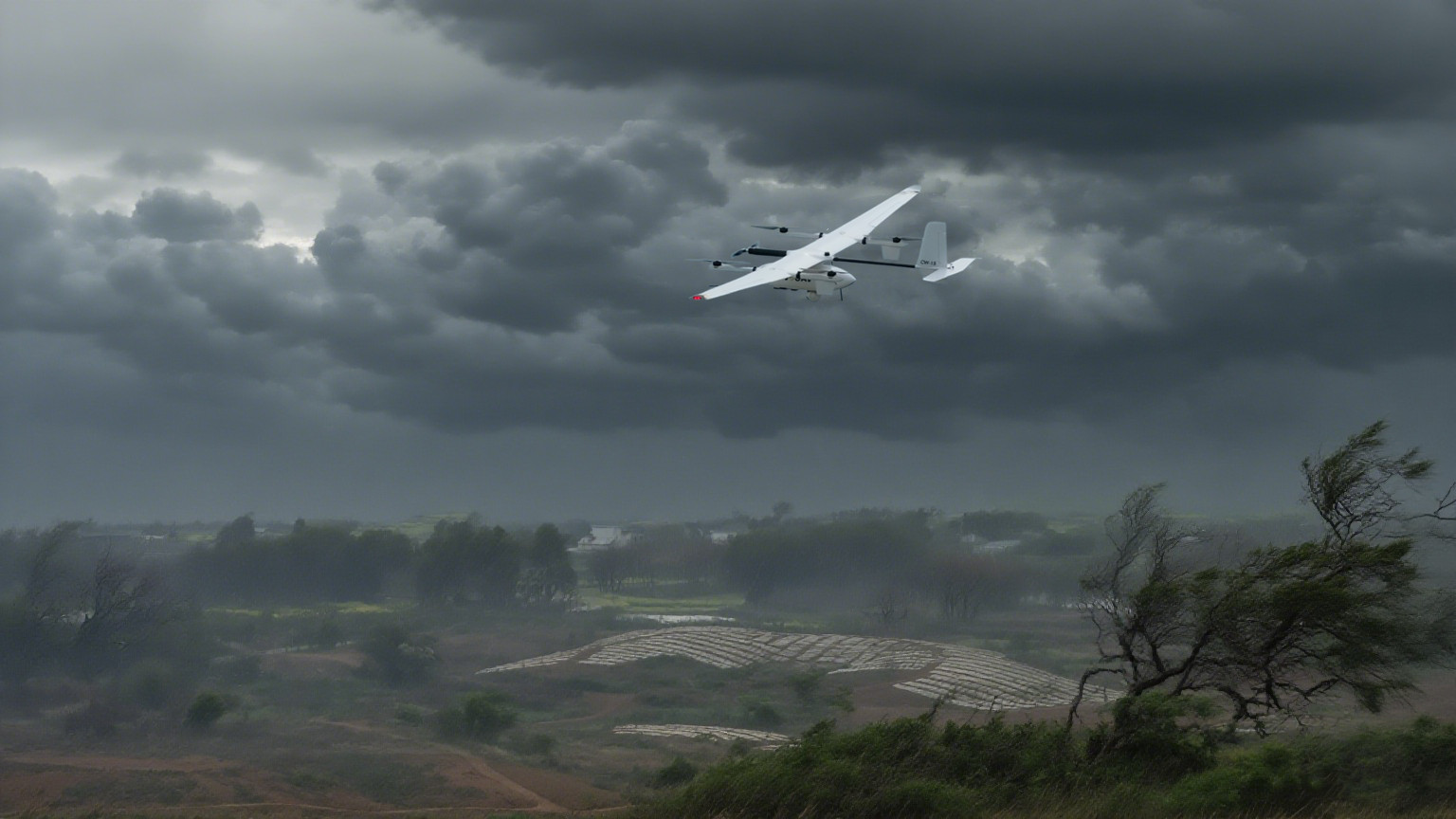
JOUAV CW-15 flying in the strong wind

Flight Behavior

Multirotors have an efficiency sweet spot, and it is not "slow." Hovering is less efficient than steady forward cruise at moderate speed because forward motion lets the propellers work in cleaner air. For most consumer drones, the most efficient cruise speed sits somewhere between 8 and 12 m/s (roughly 18–27 mph). Below that, you're spending energy fighting your own downwash. Above that, parasitic drag climbs faster than lift efficiency improves.

Aggressive flying—rapid accelerations, sharp turns, sport mode, repeated climbs—pulls burst current that the pack was not sized to sustain continuously. A battery rated for 30 minutes of cruise may deliver 18–20 minutes of aggressive maneuvering.

Payload and Accessories

Adding a camera, a gimbal protector, landing gear, or a cellular module increases the mass the motors must lift. The relationship is not linear: beyond a certain point, each additional gram costs proportionally more flight time. A drone flying at 249 g with a lightweight payload operates near its design optimum; the same drone with 50 g of accessories may lose 5–15% of its flight time, and more in wind.

Prop guards are a common culprit—they add weight and drag simultaneously, which is why ducted-prop platforms deliver so much less real-world time than their rated figures suggest.
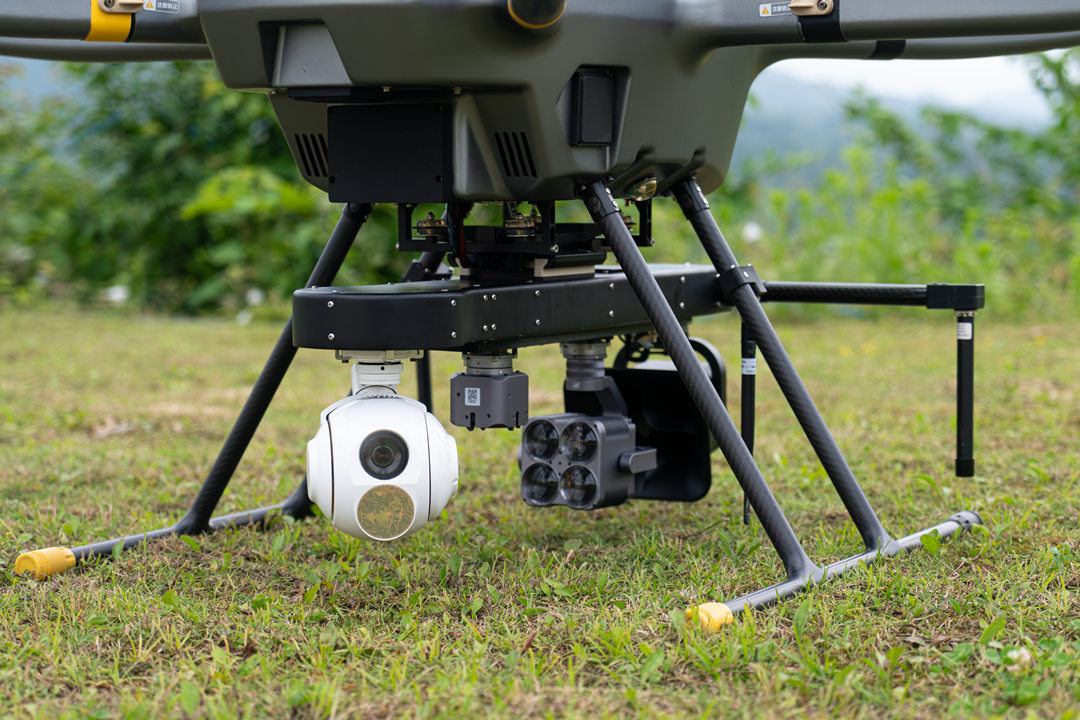
PH-20 multirotor payload

Battery Age and Cycle Count

A LiPo pack does not fail suddenly. It fades. The standard benchmark is capacity at 80% of the original, and for drone packs used in high-current applications, that threshold typically arrives somewhere between 200 and 300 full charge cycles. Under gentler use, the same chemistry can stretch to 300–500 cycles. Under aggressive use and poor storage, it can drop toward 100.

Depth of discharge matters as much as cycle count. A pack repeatedly run to 100% depth of discharge reaches the 80% threshold in roughly 300 cycles. The same pack discharged only 60% before landing can last around 600 cycles; at 40% depth of discharge, it can last closer to 1,000 cycles.

Storage state is the other silent variable. A LiPo stored at 100% charge for a year can lose roughly 20% of its capacity, while the same cell stored at 40% charge loses only about 4%. Full-charge storage keeps the cells at their highest chemical stress, and the damage compounds silently between flying sessions.

How to Extend Drone Battery Life?

How to Extend Drone Battery Life?

The previous section explained what drains a battery. This one is about what you can actually control. 

The tips below are grouped into two buckets: what you do before and during the flight, and what you do after. The second bucket matters more for longevity, which is why most pilots get it wrong.

Before and During Flight

1. Limit cruise speed to the efficiency sweet spot. Most consumer drones are most efficient somewhere between 5 and 10 m/s (roughly 11–22 mph). Pinning the controller to 10 m/s as a maximum is a simple, one-time change that consistently adds minutes to every flight without any hardware modification. Sport mode is the opposite of efficiency; every burst of speed pulls current the pack was not sized to sustain continuously.

2. Strip weight that isn’t earning its keep. Prop guards, landing legs, gimbal protectors, oversized straps, and “temporary” mounts all cost flight time. Dropping even 30–80g of non-essential gear produces a noticeable bump in endurance and a cleaner throttle feel. If you need guards for indoor proximity work, keep them for that mission and remove them for open-air flights.

3. Turn off sensors you don’t need. Obstacle avoidance and auxiliary sensing draw continuous power. In open, controlled airspace, deactivating them gives a small but real endurance advantage—and every marginal gain compounds with the other habits on this list.

4. Warm the pack before cold-weather flights. A cold battery delivers less power and sags faster under load. Pre-warming a LiPo to roughly 25–30°C (77–86°F) before takeoff restores a meaningful portion of the capacity that cold air takes away. Keep spare packs inside a jacket pocket rather than in an open case between flights.

5. Fly smoothly, not just slowly. Smooth throttle inputs and gentle turns draw less burst current than aggressive corrections. A drone rated for 30 minutes of cruise can drop to 18–20 minutes of hard maneuvering. The pilot who lands with the most reserve is not the one flying the slowest—it is the one making the fewest sudden power demands.
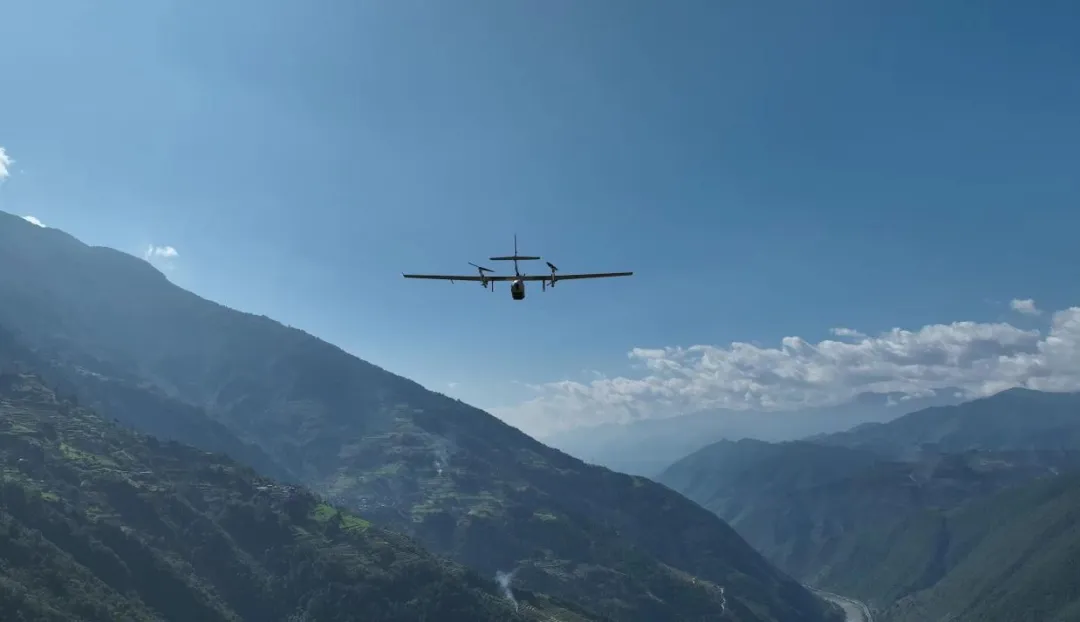
CW-15 flew in mountains

After Flight and in Storage

6. Land at 20–25%, not 0%. Depth of discharge is the single most controllable variable in cycle life. A pack repeatedly run to empty reaches its 80% capacity threshold in roughly 300 cycles; the same chemistry discharged only to 60% can last around 600 cycles, and to 40% closer to 1,000. Landing with a buffer is not just a safety margin—it is a longevity strategy.

7. Let the pack cool for 15–20 minutes before charging. A battery that just finished a flight is warm, and charging a warm LiPo accelerates cell wear faster than almost any other common habit. The pack does not need to be cold—just at ambient temperature. This one habit alone separates packs that fade early from packs that hold their capacity for years.

8. Store at 40–60% charge, not full. This is the consensus recommendation across every credible source, including DJI’s own care guidance. DJI advises discharging to 40–65% if the battery will sit unused for more than 10 days, and storing in a cool, dry environment at 22–28°C is optimal. A LiPo stored at full charge for a year can lose roughly 20% of its capacity; the same cell stored at 40–60% loses only about 4%. Full-charge storage keeps the cells at their highest chemical stress, and the damage compounds silently between sessions.

9. Store in a cool, dry place—15–25°C, out of sunlight. Heat is the second enemy after full-charge storage. A car trunk in summer, a sunny windowsill, or a damp shed all accelerate degradation. The ideal storage window is 15–25°C, stable, and dry. This is not a marginal refinement; temperature is described as “the main enemy of lithium batteries” in professional battery guidance.

10. Cycle the pack every three months during long storage. A battery that sits untouched for months can drift out of balance or slip into an over-discharged state. DJI recommends at least one complete charge-discharge cycle every three months to maintain cell activity. For non-smart batteries, check the voltage periodically and bring it back to storage level if it has drifted.

11. Use the original or a balance charger. A charger that skips cell balancing or temperature monitoring is a false economy. Inconsistent cell voltages are one of the most common causes of premature pack failure, and a balance charger prevents that drift before it becomes a problem. Off-brand chargers that “work fine” until they don’t are not saving money—they are shortening the interval between replacements.

12. Inspect for swelling, damage, or contact corrosion before every flight. A swollen pack is a fire risk and must be retired regardless of cycle count. Dirty or corroded contacts create resistance that mimics rapid battery drain; a quick clean often resolves what looks like a failing pack. Check the contacts as routinely as you check the props.

How to Calculate Drone Flight Time?

How to Calculate Drone Flight Time?

Every drone pilot eventually tries to predict flight time before takeoff. The good news is that a simple formula gets you close—within 10–15% of reality if you feed it honest numbers. The bad news is that most people feed it the spec-sheet number instead of the real one, and then wonder why the drone lands early.

The Basic Formula

Flight time depends on one relationship: how much energy you have, divided by how fast you spend it.

T = C ÷ I × 60

Where:

  • T = flight time in minutes

  • C = usable battery capacity in amp-hours (Ah)

  • I = average current draw in amps (A)

The conversion from milliamp-hours (mAh) to amp-hours is a simple division by 1,000. A 5,000 mAh pack is 5 Ah.

Worked example: a drone with a 5,000mAh battery drawing an average of 20A in hover:

  • 5,000mAh ÷ 1,000 = 5Ah

  • 5Ah ÷ 20A = 0.25 hours

  • 0.25 × 60 = 15 minutes

That is the theoretical hover time. It assumes the pack is fully drained, which you should never do. It also assumes a constant 20A draw, which no real flight maintains.

The 80% Rule: Usable Capacity, Not Rated Capacity

You should never plan to use the full rated capacity. Landing at 20–25% reserve is both a safety margin and a cycle-life strategy, as covered earlier. That means only 75–80% of the rated capacity is actually available for flight.

Reworking the example with a 20% reserve:

  • Usable capacity = 5Ah × 0.8 = 4Ah

  • 4Ah ÷ 20A = 0.2 hours

  • 0.2 × 60 = 12 minutes of usable flight time

That 12-minute figure is a much better planning number than the 15-minute theoretical one. It is also the number most spec sheets quietly ignore.

Common Drone Battery Mistakes

Common Drone Battery Mistakes (and What They Actually Cost)

Most pilots don’t destroy a battery in one dramatic incident. They do it slowly, through habits that feel harmless because the consequences show up months later. By the time flight time drops from 30 minutes to 22, the damage is already done, and the pack is on its way out. Here are the mistakes that cost the most, ranked roughly by how much cycle life they take off the table.

1. Storing packs at 100% charge

This is the single most common mistake and the most expensive. It happens because the natural workflow is fly, come home, charge everything so it’s ready for next time, and put it away. That “ready for next time” pack sits at full voltage for days, weeks, or months, and high voltage is exactly the condition lithium cells age fastest in.

The data is stark. A LiPo stored at full charge for a year can lose roughly 20% of its capacity. The same cell stored at 40–60% loses about 4%. That is a fivefold difference in degradation from storage alone, before the pack has flown a single additional minute. DJI’s own guidance says to discharge to 40–65% if the battery will sit unused for more than 10 days, and smart batteries auto-discharge to storage level after a few days of inactivity for exactly this reason.

What it costs: roughly 10–15% of usable capacity per year of full-charge storage, compounding silently.

The fix: charge the night before or the morning of a flight, not the day after the last one. If plans change, discharge to the storage level before putting the pack away.

2. Charging a hot pack straight after flight

A battery that just landed is warm—that warmth is normal; it’s the energy that just came out of the cells. Charging it while it’s still warm is not. Heat plus charging current accelerates the chemical aging that shows up as capacity loss and rising internal resistance.

The cooldown is short: 15–20 minutes to ambient temperature is enough. Most pilots skip it because they want to top up for a second flight immediately, and that impatience is one of the fastest ways to shorten a pack’s useful life.

What it costs: accelerated capacity fade, especially on packs that are repeatedly charged hot after back-to-back flights.

The fix: land, set the pack aside, fly a different battery, and charge the first one after it has cooled.

3. Running packs to 0% “just this once”

Deep discharge is the mistake pilots justify most often, because a single deep discharge doesn’t visibly damage anything. The problem is cumulative. A pack repeatedly run to empty reaches its 80% capacity threshold in roughly 300 cycles. The same chemistry discharged only to 60% can last around 600 cycles; to 40%, closer to 1,000.

The last 20% of a pack is also where voltage sags fastest and where the return-to-home calculation gets least reliable. Pushing to 5% to get one more shot is how fly-aways and hard landings happen—the reserve exists for a reason.

What it costs: roughly half the pack’s cycle life if deep discharge becomes a habit, plus a much higher risk of an unplanned landing.

The fix: land at 20–25%. Treat that reserve as non-negotiable flight planning, not as extra airtime.

4. Leaving packs fully discharged for weeks

This is the mirror image of mistake #1, and it’s common among pilots who fly once a season. A pack left at 0% for weeks can drift below the minimum safe cell voltage, and once a lithium cell is over-discharged, it may never recover full capacity—or may not charge at all.

What it costs: permanent capacity loss, or a dead pack that won’t take a charge.

The fix: never store below 20–30%. If a pack lands at 10%, charge it to storage level (40–60%) before putting it away, even if you’re not flying again soon.

5. Ignoring swelling or physical damage

A swollen pack is a fire risk, not a performance issue. Puffy cells mean gas has built up inside the casing, usually from over-discharge, overcharge, heat, or age. A swollen battery should be retired immediately, discharged to below 30% if safe to do so, and taken to an e-waste facility—not flown “one more time” because it still holds a charge.

What it costs: a fire risk in the worst case, and a dead pack in the best.

The fix: inspect every pack before every flight. Any swelling, puncture, or damaged casing means retirement, regardless of cycle count.

6. Not checking cycle count in the app

Most modern drones display battery cycle count, cell voltage spread, and temperature history in the companion app. Most pilots never look. Cycle count is the best early warning system available: a pack whose cycles are climbing while its flight time is dropping is a pack on its way out, and knowing that before a mission is far better than discovering it mid-flight.

What it costs: flying a pack that is closer to failure than you think, and replacing it at the worst possible moment.

The fix: check cycle count every few flights. Commercial operators typically retire packs from billable work at 150–200 cycles and keep them for practice.

7. Using off-brand chargers without balance charging

A charger that skips cell balancing or temperature monitoring is a false economy. Cells drift out of balance over time, and a charger that doesn’t correct for it leaves one cell working harder than the others—which shows up as reduced capacity and, eventually, a pack that won’t hold voltage under load. Off-brand chargers that “work fine” until they don’t are not saving money; they are shortening the interval between replacements.

What it costs: premature cell drift and pack failure, sometimes within a few dozen cycles.

The fix: use the manufacturer’s charger or a reputable balance charger with per-cell monitoring.

8. Always flying the same pack

Pilots with three batteries often fly one of them 80% of the time because it’s the one that’s always charged. That pack reaches end-of-life while the spares sit at storage voltage, barely used. Rotating packs distributes cycles evenly and gives you a built-in spare that is actually in good condition when you need it.

What it costs: uneven wear, earlier replacement of the favorite pack, and spares that age out unused.

The fix: label packs and rotate them deliberately. Track cycles per pack, not just per drone.

9. Flying in extreme heat and charging immediately after

High ambient temperature (above 35–40°C) accelerates aging during flight, and charging a pack that is already heat-soaked compounds it. Desert and tropical operations need to treat batteries differently: fly in the cooler parts of the day, keep packs shaded between flights, and never charge a pack that is hot to the touch.

What it costs: faster capacity fade in hot climates, and a higher risk of thermal issues during charging.

The fix: shade, cool, and charge later. Heat is the second enemy after full-charge storage.

FAQ

FAQ

Can a Drone Fly for 2 Hours?

Yes. Some industrial fixed-wing and VTOL UAVs can fly for two hours or longer. Most consumer camera drones and conventional multirotors have much shorter flight times, typically measured in tens of minutes.

For example, JOUAV's all-electric CW-15 hybrid VTOL UAV is rated for up to 180 minutes of flight time without payload, while the hybrid-powered CW-30E is rated for up to 480 minutes. Actual endurance depends on payload, configuration, weather, and mission conditions. If you need two hours of continuous flight, compare manufacturer-rated endurance with the expected performance of the aircraft under your specific operating conditions.

How Much Does a Drone Battery Cost?

There is no single price—it depends on the drone class, capacity, and whether the pack carries smart electronics. The realistic range runs from about $8 to $2,450+:

  • Budget and toy drones: $8–$35. Generic low-capacity LiPo or Li-ion packs for E88/E99-style toys and small FPV quads. Cheap to replace, but cycle life is usually short.

  • Consumer mini and mid-range drones: $40–$200. Brand-name intelligent flight batteries dominate here. DJI Neo packs run around $59**, Mini-series packs generally **$75–$99** (with Plus/high-capacity versions around **$169), and larger consumer packs for the Air 3S or Mavic series sit at $199–$245.

  • Industrial and enterprise drones: $300–$2,450+. High-capacity packs with smart BMS, hot-swap hardware, and sometimes self-heating. DJI Matrice-series batteries and Autel EVO II packs fall in this band.

The spread is not arbitrary. A $59 Neo battery and a $2,000 industrial pack differ in capacity, cycle rating, safety electronics, and how much aircraft they have to lift. The practical advice is the same at every level: budget for a spare from the start. Running one pack to failure because a replacement felt expensive is the more costly outcome.

How Long Do Drone Batteries Take to Charge?

Many consumer drone batteries take around 45 minutes to 2 hours to charge, although some models take longer. Charging time depends on battery capacity, the charger's power output, the starting charge level, ambient temperature, and whether a charging hub is used.

For the most accurate estimate, check the manufacturer's specifications for your specific battery and charger. Always use compatible charging equipment and allow a battery to cool after flight before charging it. Follow the manufacturer's recommended charging temperature range to help protect battery performance and safety.

Why Do Drones Have Bad Battery Life?

Drone flight time is limited by the energy the power system can store or supply and the energy required to keep the aircraft airborne. Several factors contribute to relatively short flight times:

  • Limited energy storage: Batteries store a finite amount of energy for their weight, which limits how long an aircraft can operate before recharging.

  • Aircraft design: Multirotors continuously use their rotors to generate lift, while fixed-wing UAVs use their wings to generate lift during forward flight. This makes fixed-wing platforms well suited to longer missions.

  • Payload and equipment: Cameras, LiDAR sensors, and other mission equipment can increase energy consumption.

  • Weather and flight behavior: Wind, cold temperatures, frequent climbing, and aggressive maneuvering can reduce practical endurance.

  • Battery aging: As a battery ages, its usable capacity may decline, shortening flight time.

For longer missions, consider the aircraft's design, power system, payload requirements, and expected operating conditions rather than battery capacity alone.

How Often Should I Replace Drone Batteries?

Three thresholds matter, and warning signs override all of them.

By cycle count: intensive commercial use justifies replacement around 100–150 cycles even if the pack still charges, because endurance has already declined noticeably. Consumer use stretches to 300–800 cycles depending on depth of discharge — shallow cycling pushes toward the upper end, deep discharge toward the lower. Skydio’s enterprise guidance recommends 300 cycles for its X10 platform, noting well-maintained packs can safely exceed that.

By calendar age: packs age even when unused; noticeable performance drop often appears around 12–18 months regardless of cycling.

By warning signs, which override cycle count: a swollen pack is a fire risk and must be retired immediately, no matter how few cycles it has. Significantly shorter flight time, unusual odor, casing damage, or a pack that won’t balance all mean end-of-life. A LiPo can still “charge” long after it stops being a pack you can trust in the air.

Share :
Read More
thumbnail
Drone mapping services can produce far more than aerial photos—orthomosaics, 3D models, point clouds, and elevation data that feed directly into GIS, CAD, and BIM workflows. But ask three providers to
thumbnail
Picking drone mapping software feels harder than it should be. Open any review site, and you will see the same ten names repeated: Pix4D, DroneDeploy, DJI Terra, Agisoft Metashape, UgCS. But the recom
thumbnail
Here’s the question every drone pilot hears: How much should I charge? And here’s the honest answer: $100 to $500 an hour, or $300 to $5,000 per project, depending on what you’re doi