JOUAV drone-in-a-box systems are helping Yuecheng District, Shaoxing, improve road inspection and urban management through aerial mapping and AI-assisted analysis. Combining JOS-C700 VTOL and JOS-P200 multirotor hangar systems, the project covers 311.7 km² of digital mapping, 121.33 km of road imagery collection, and more than 26 km of mountain roads. Applications include tunnel safety monitoring, mountain-road patrols, and AI-powered urban inspection.
CHENGDU, China, September 30, 2026 — JOUAV demonstrated its integrated uncrewed forest fire monitoring and suppression system at the 2026 Shanxi Provincial Forest and Grassland Fire Prevention and Emergency Response Skills Competition and Northern Cooperation Zone Joint Exercise in Shuozhou, Shanxi Province, on September 28. During the event, JOUAV conducted a live drone-based fire suppression demonstration, showcasing how uncrewed aerial systems (UAS) can support fire response operations in areas where ground access may be difficult.
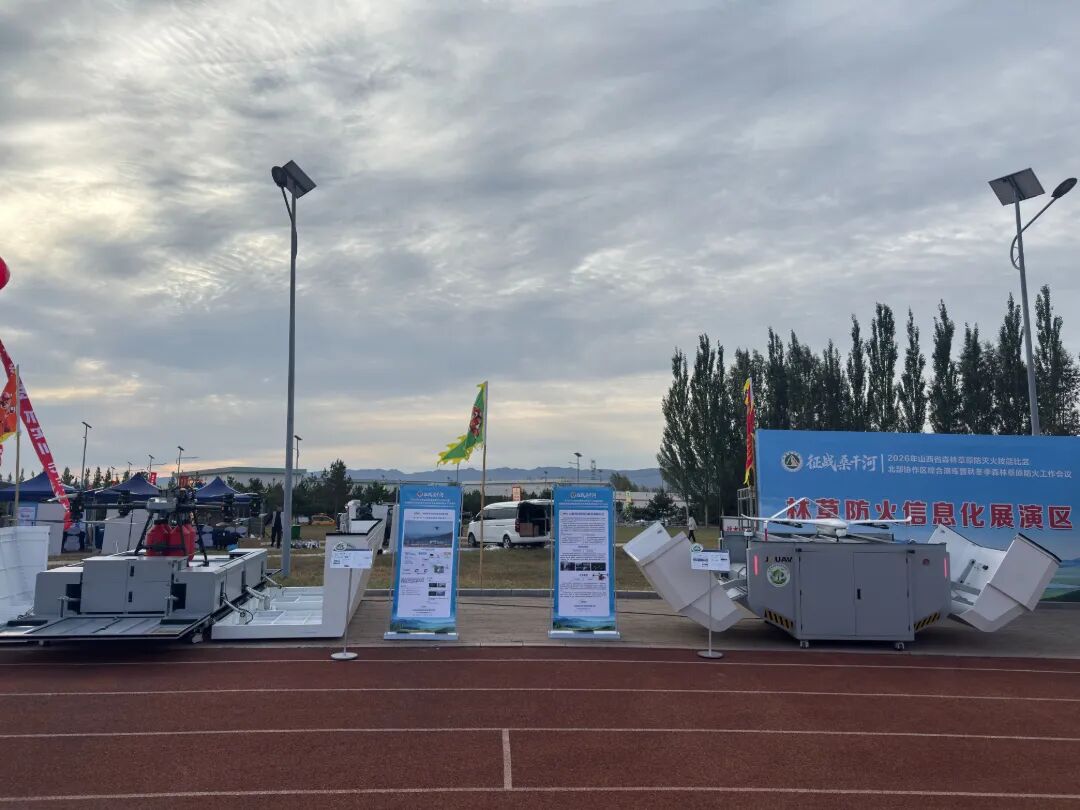
An Integrated Approach to Forest Fire Monitoring and Response
Forest fires can develop in remote, rugged terrain where dense vegetation, steep slopes, and limited road access complicate early detection and response. Timely identification of potential fire hazards, accurate location information, and coordinated response are essential to effective forest fire management.
JOUAV’s integrated system combines three complementary components: high-point video surveillance, autonomous VTOL fixed-wing drone patrols, and multirotor fire suppression drones. Each serves a distinct role in the operational workflow—from identifying potential fire hazards to conducting aerial reconnaissance and supporting initial suppression efforts.
Monitor: High-Point Video Surveillance
High-point video surveillance provides persistent visual coverage of designated forest areas. Using elevated monitoring positions, including communications towers where available, the system can observe wide areas and help identify early signs of potential fire hazards.
This monitoring layer supports continuous situational awareness and provides an initial source of information for further investigation when smoke, visible flames, or other abnormalities are detected.
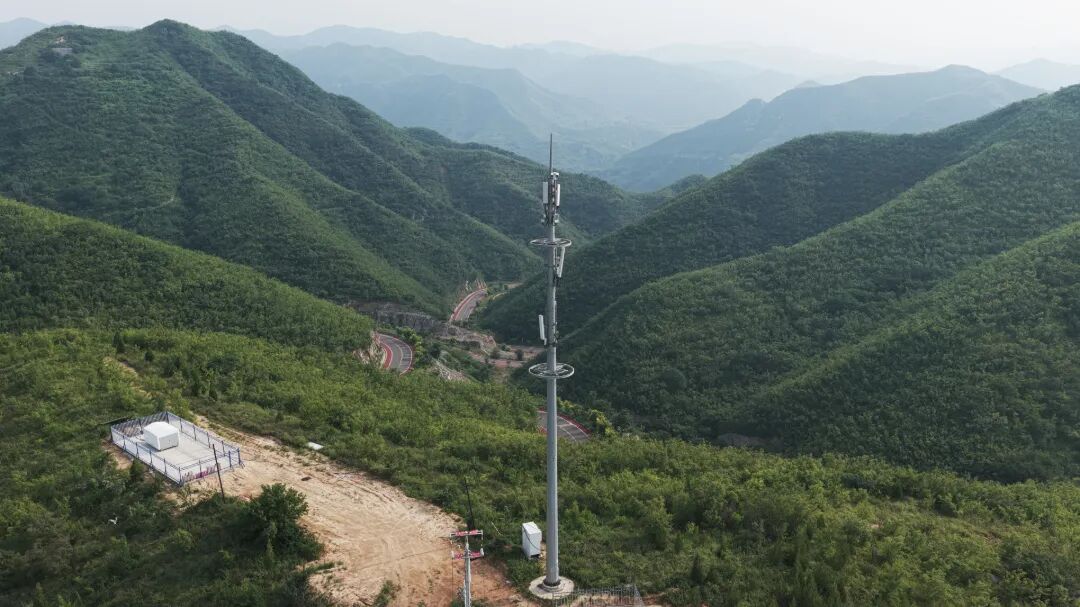
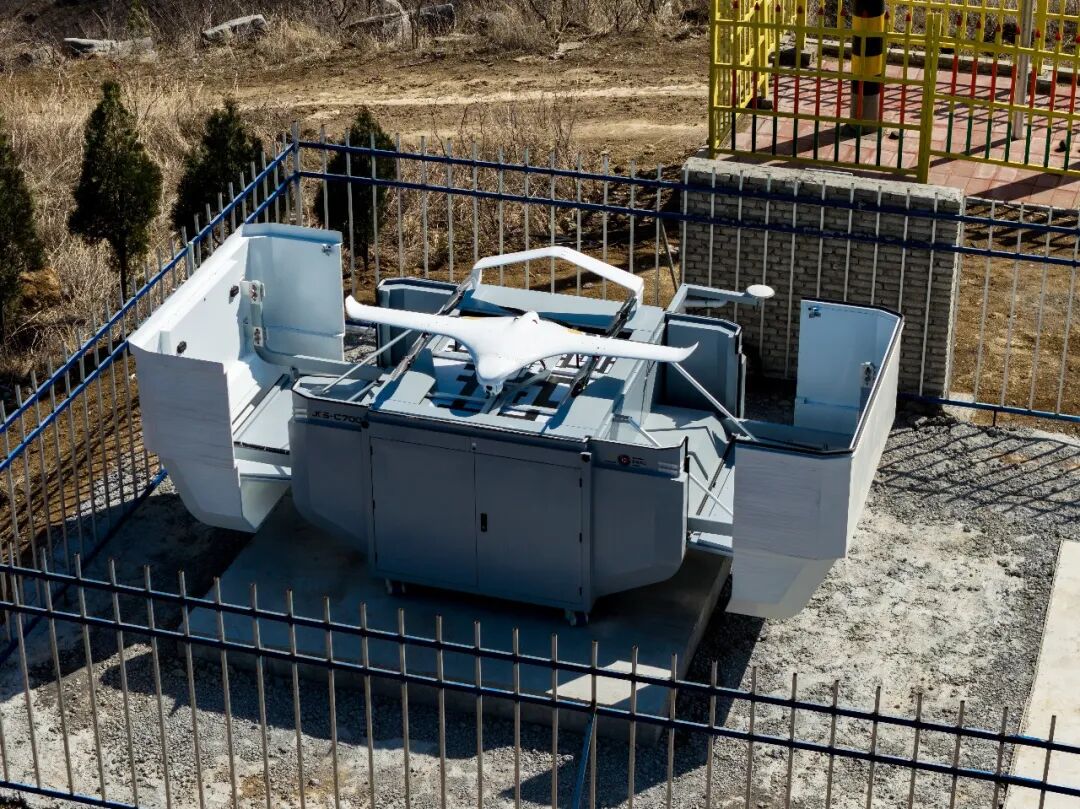
Inspect: JOS-C700 VTOL Drone Hangar System
JOS-C700 VTOL drone hangar system supports autonomous patrols and aerial reconnaissance over large forest areas. It provides more than 120 minutes of flight endurance and a patrol radius of up to 50 km under line-of-sight conditions, enabling drones to investigate potential fire hazards in remote or difficult-to-access locations.
Equipped with visible-light and thermal imaging cameras, the drone can collect imagery to support fire assessment and situational awareness. AI-based image analysis can help identify potential smoke, flames, and abnormal heat sources, assisting personnel in assessing suspected fire activity and planning appropriate responses.
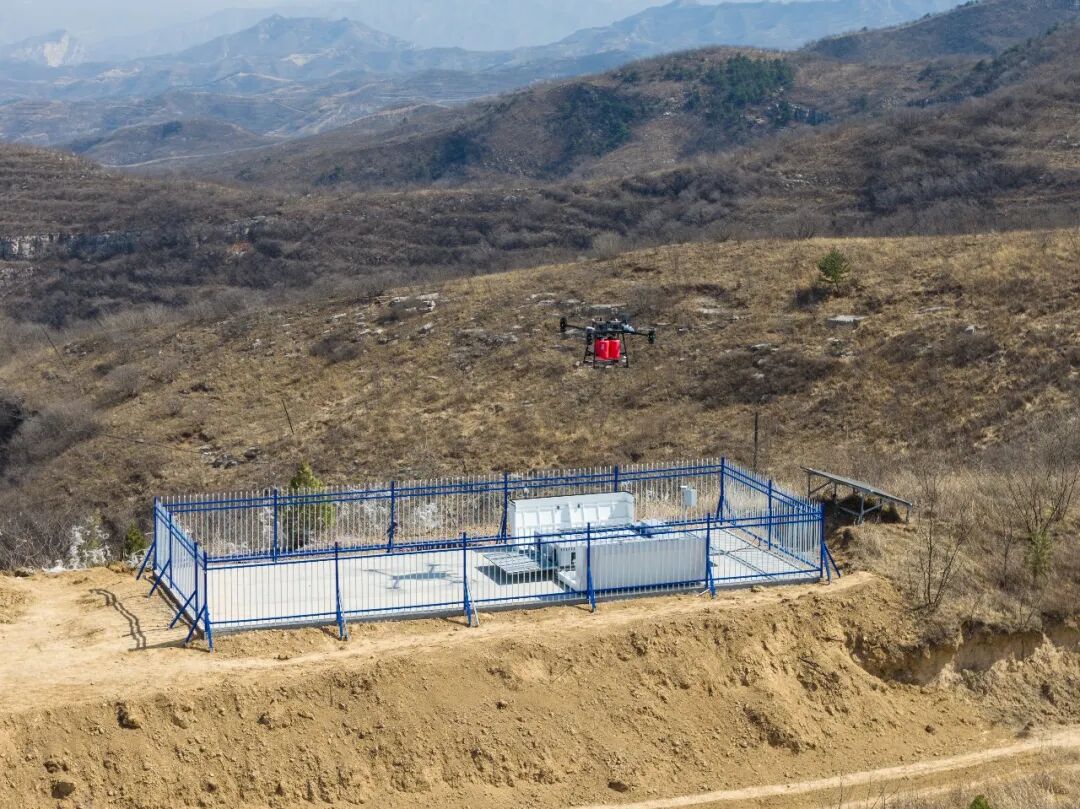
Suppress: JOS-P1000 Multirotor Drone Hangar System
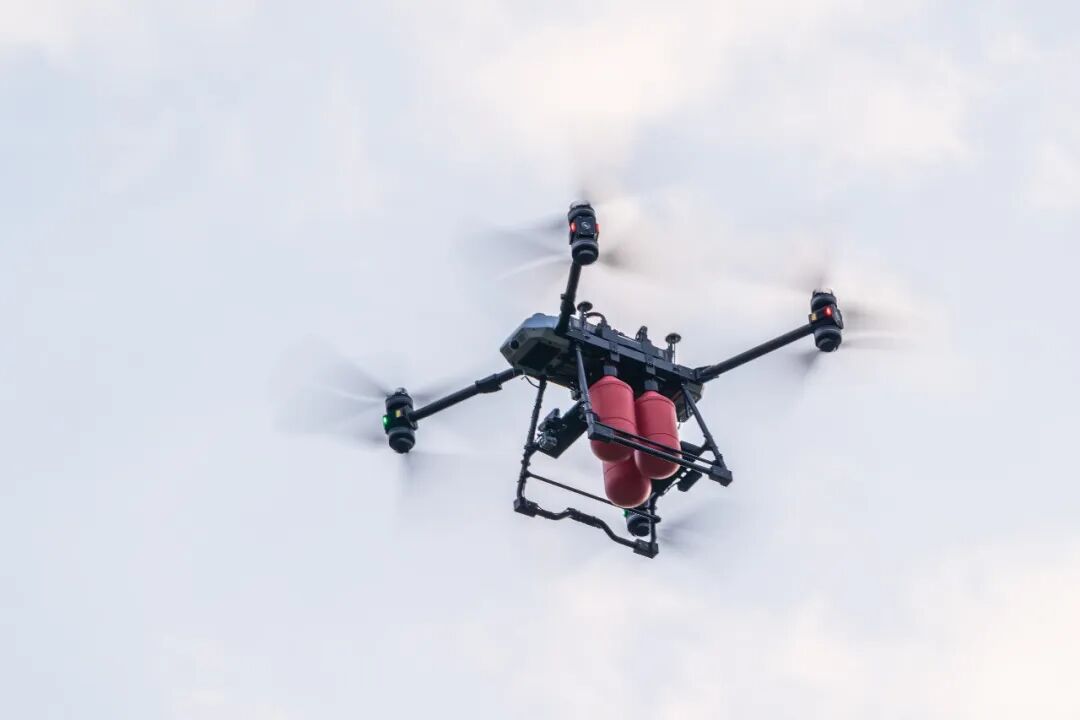
JOS-P1000 multirotor drone hangar system is designed to support aerial fire suppression operations. With a maximum payload capacity of 100 kg, the system can carry four 20-kg firefighting bombs in the specified configuration.
According to supplied product specifications, it can achieve an effective fire-suppression area of more than 100 m² per mission. This payload capacity enables targeted suppression at designated fire points, particularly where ground access may be difficult. Actual results depend on fire conditions, operating environments, payload configuration, and mission requirements.
Supporting More Coordinated Forest Fire Operations
By integrating monitoring, aerial reconnaissance, and targeted suppression, JOUAV’s solution connects three key stages of forest fire response: detection, assessment, and intervention.
It can help forestry authorities and emergency response teams improve situational awareness, identify potential fire hazards, and plan responses in remote or challenging terrain. It also offers a way to incorporate autonomous drone operations into broader forest fire management systems, alongside ground crews and other emergency response resources.
As forestry and emergency management organizations explore more technology-enabled approaches to fire prevention and response, integrated UAS offer an additional tool for early detection and coordinated operations.
More Use Cases
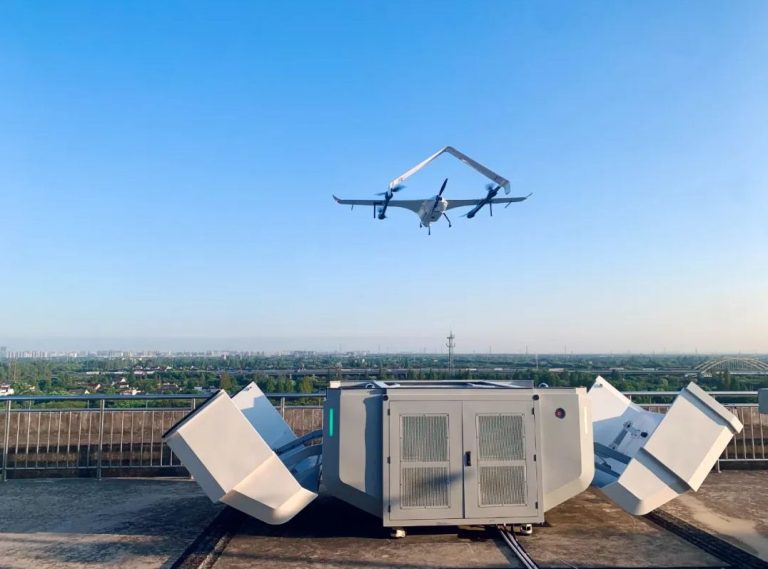
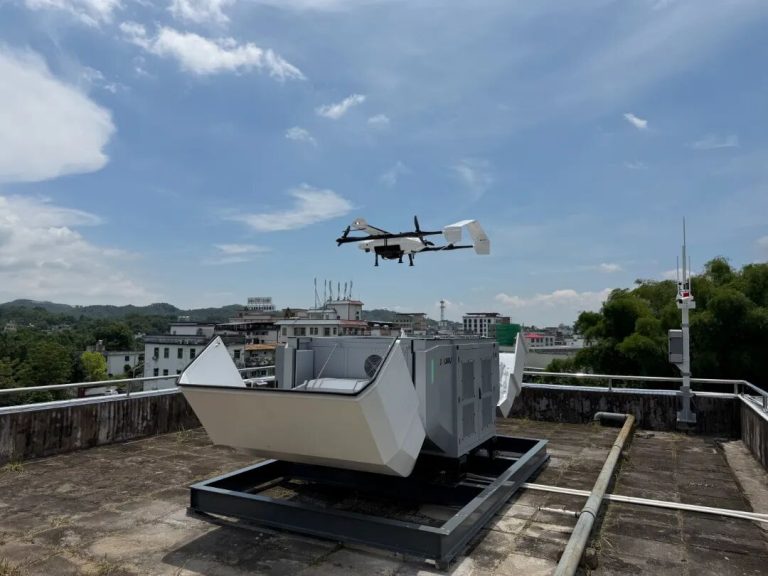
Jieyang Power Supply Bureau of Guangdong Power Grid deployed JOUAV's VTOL Hangar System for remote power line inspections, integrating the JOS-C700 docking station, CW-15V VTOL fixed-wing UAV and JoCloud AI Command Center. During its first two months of operation, the system completed 966.74 km of LiDAR-based transmission line corridor inspections, with a longest single-sortie flight distance of 104.46 km.
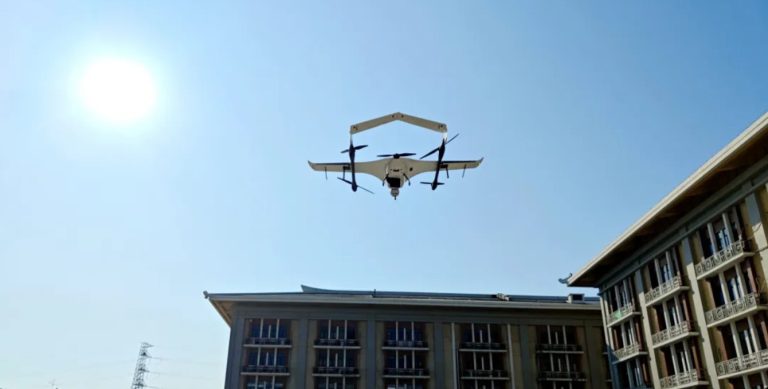
At 2:27 PM on a storm-lashed afternoon in July 2025, a small fishing boat capsized off the coast of Gulei, Zhangzhou.
Two men were thrown into violent waters. Winds howled at gale force. Waves surged

JOUAV Product News and Use Cases
Fixed-Wing VTOL Drones Insights and Industry Trends
Invitations to online demo events
 English
 中文
中文