Drone mapping services can produce far more than aerial photos—orthomosaics, 3D models, point clouds, and elevation data that feed directly into GIS, CAD, and BIM workflows. But ask three providers to
So, can you fly a drone over people in 2026?
Short answer: yes—but don't expect a free pass. Over the past few years, regulators like the FAA and EASA have fundamentally changed the game. They've moved away from blanket prohibitions and started asking a more nuanced question: "How safely can you do this?"
That shift changes everything, especially if you're flying something heavier than a consumer quad.
For hobbyists, the rules remain fairly straightforward. Stay clear of crowds, respect privacy, and keep it light. However, when operating professional VTOL platforms for infrastructure inspections, emergency response, or security surveillance, the rules change significantly. You're not just flying over people. You're managing kinetic energy, redundancy protocols, and real-time risk over populated areas. That puts you squarely in categories like the FAA's Category 4 or EASA's Specific Category (SORA), where certifications aren't optional—they're the price of admission.
In this guide, we'll walk you through what actually matters in 2026: where the regulations are tightening, why kinetic energy is the number one regulator actually care about, and—most importantly—how redundant safety systems make these missions possible without cutting corners.
Why Is Flying Over People So Complex?
Before we dive into the rulebooks, it's worth asking a more fundamental question: Why are the rules so strict in the first place?
To the casual observer, a drone might look like a harmless plastic gadget. But from the perspective of aviation authorities and safety engineers, a drone in flight is a high-velocity kinetic object. The restrictions aren't bureaucratic red tape—they're responses to three hard realities.
The Physics of Impact
Even a mid-sized drone—say, 1.5 kg—falling from 120 meters hits the ground with a force exceeding 16,000 Newtons. The FAA's safety studies classify any impact transferring more than 11 to 25 foot-pounds of kinetic energy to the human head as high-risk for skull fractures or severe neurological damage.
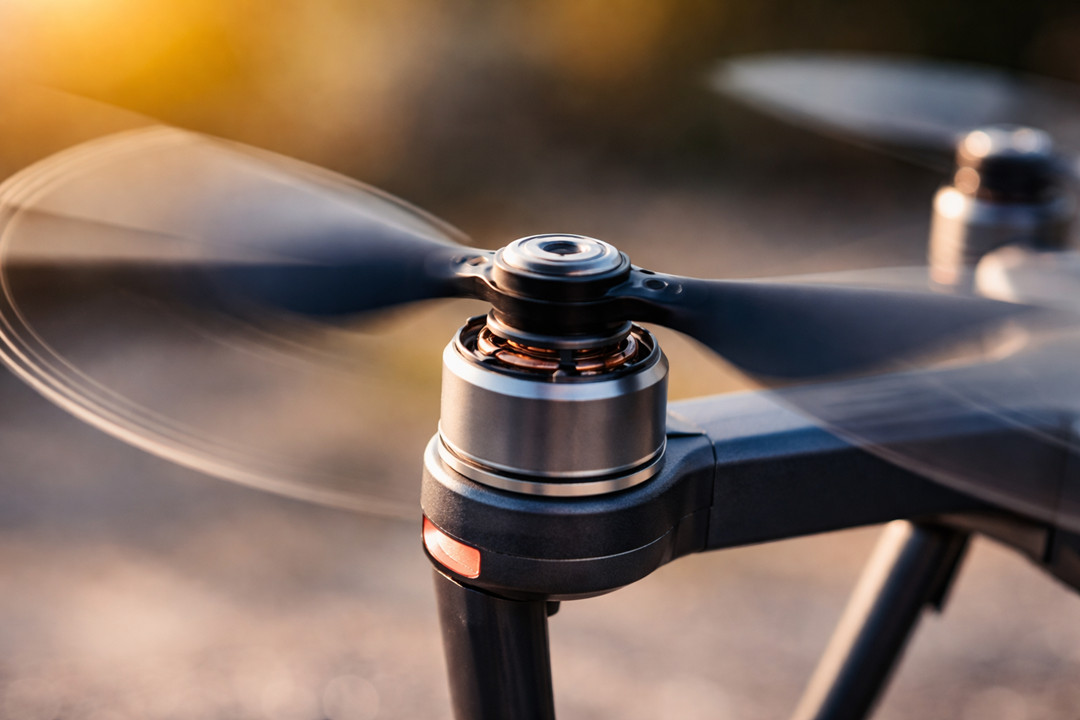
Then there's the laceration factor. Professional drone rotors spin at 5,000 to 9,000 RPM. Without prop guards or an instant motor kill switch, those blades act as high-speed surgical tools. This is why every regulatory framework distinguishes sharply between drones with "exposed rotating parts" and those with shrouded or safety-tested propellers.
The Urban Interference Problem
In 2026, the radio frequency environment in populated areas is more congested than ever. Flying over crowds introduces two major technical risks:
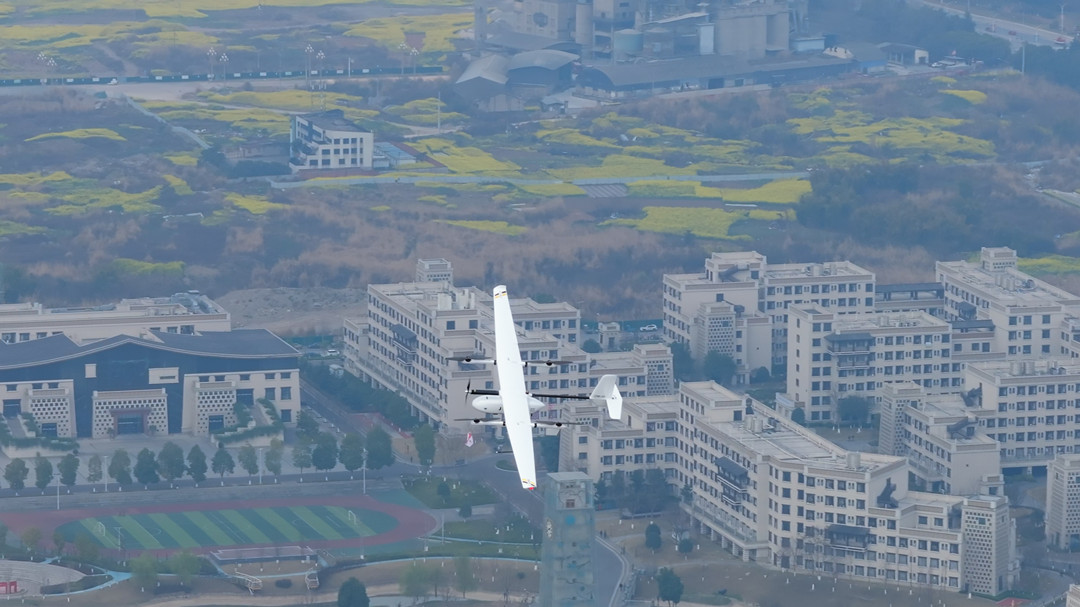
First, electromagnetic interference. High-density Wi-Fi networks, 5G towers, and industrial power lines can drown out the command-and-control link between pilot and aircraft. Second, GPS multipath effects. In urban canyons, GPS signals bounce off glass and steel, causing drones to lose position hold precisely when they're most vulnerable.
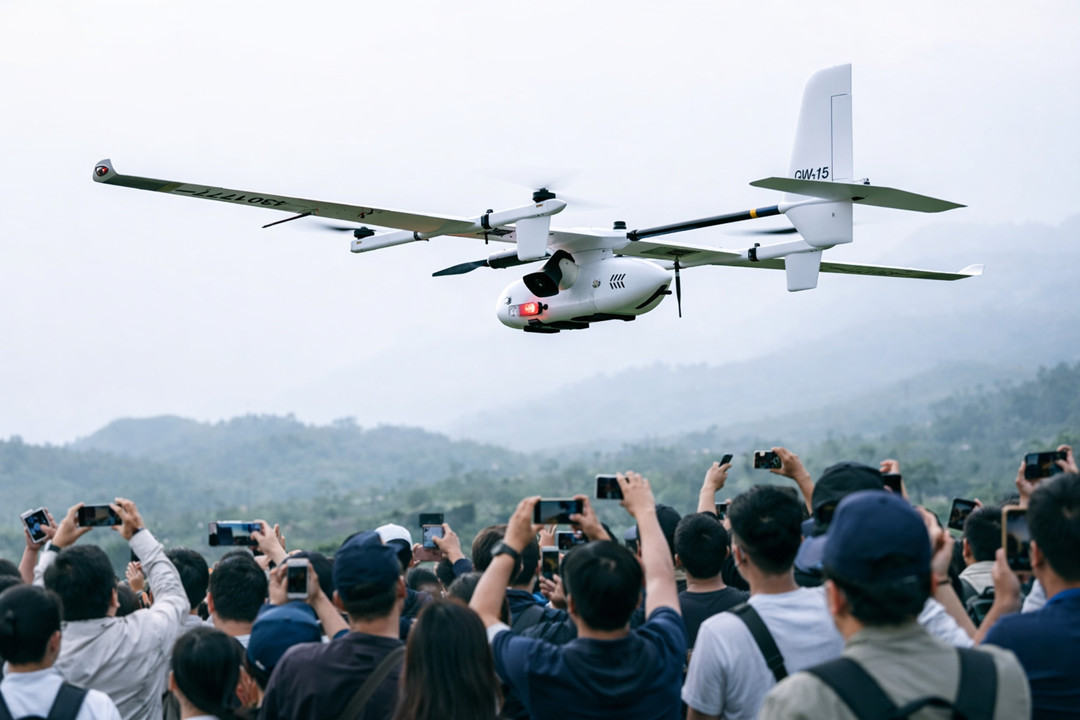
For the industrial operator, this isn't a theoretical concern. It's why platforms like the JOUAV CW-15 use dual-antenna GNSS and anti-jamming technology—to maintain stable positioning even in RF-noisy environments.
Privacy, Liability, and Public Trust
Beyond physical safety lies the legal concept of aerial trespass. In Europe, especially, flying a sensor-equipped drone over uninvolved persons can be legally interpreted as a privacy violation. The 2026 GDPR landscape has only sharpened that interpretation.
And public perception matters. A drone hovering over a crowd creates a chilling effect. Authorities respond to complaints; in 2025 alone, the FAA increased civil penalties for unauthorized, overcrowded flights to $75,000 per violation. If an accident occurs, the operator isn't just liable for physical damage but also for consequential losses—a stadium evacuation triggered by a drone sighting can cost millions.
The Human Factor
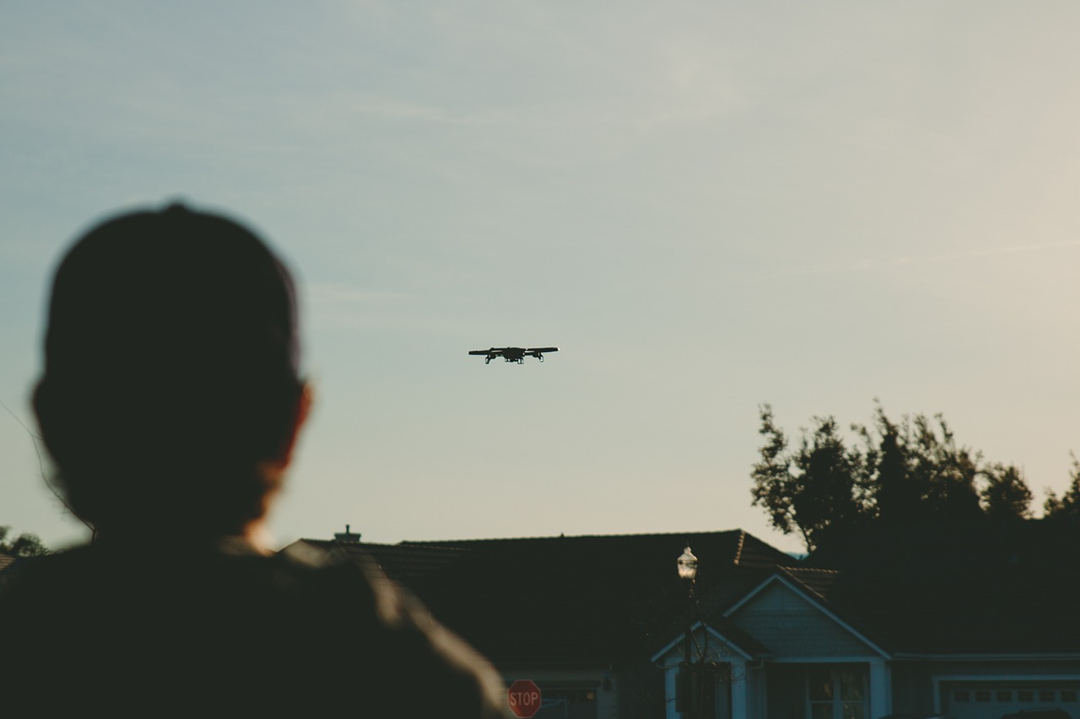
Finally, statistics consistently show that 80-90% of drone accidents stem from human error: misjudging wind, battery mismanagement, and loss of situational awareness. By prohibiting flight over people by default, regulators create a safety buffer that accounts for the inevitable moment when a pilot makes a mistake.
The U.S. Market: FAA Operations Over People (OOP) Rules
If you've been in the industry for a while, you know the FAA is obsessed with one thing: kinetic energy. The "Operations Over People" rule divides drones into four categories based entirely on how much harm they could cause in a failure.
Here's how they break down—and where industrial operators actually live.
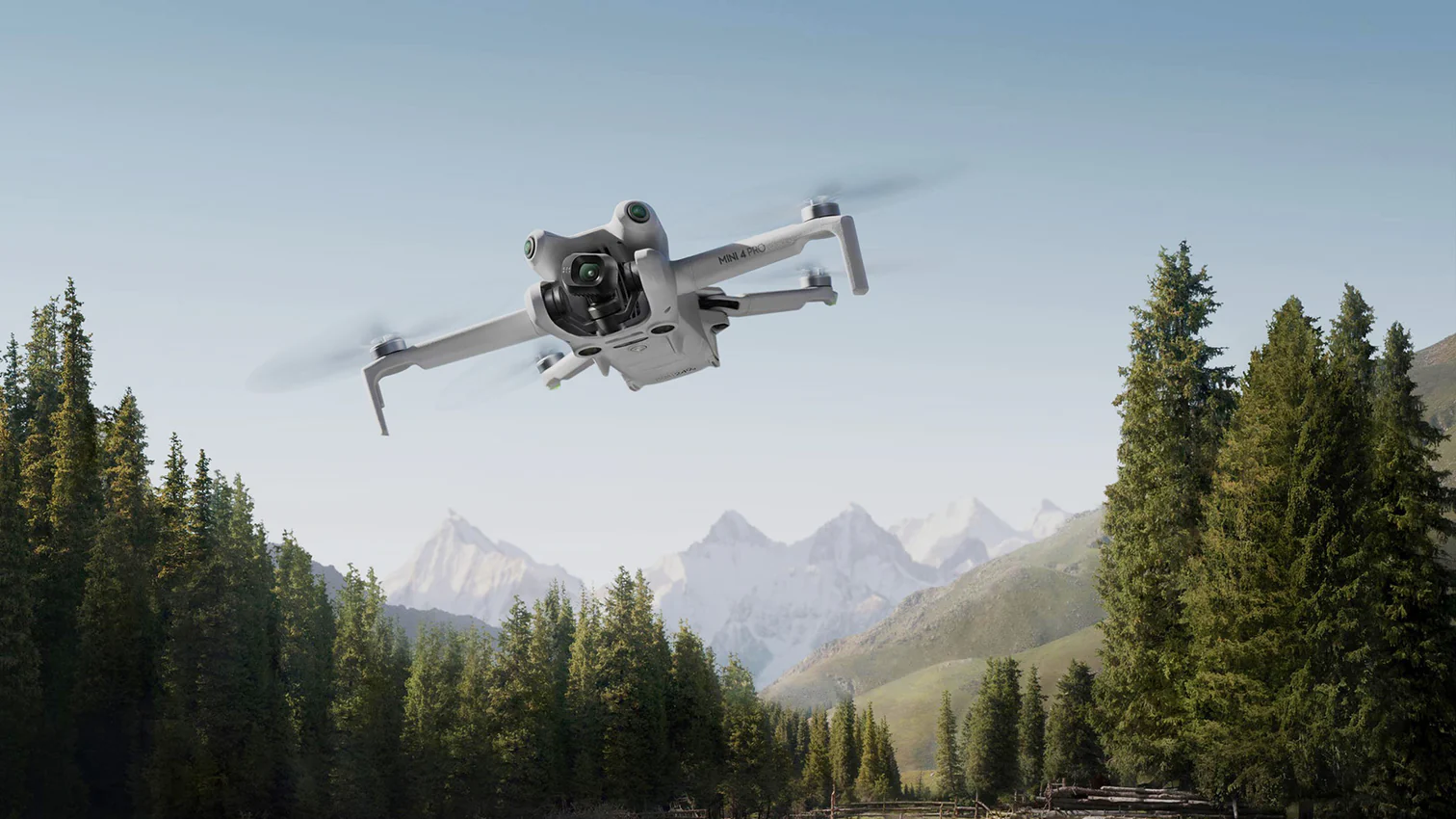
Category 1: The Micro-Drone Exception
- Weight limit: 0.55 pounds (250 grams) or less, including all payloads and attachments.
- Safety requirement: No exposed rotating parts that could cause lacerations (prop guards required).
- Operations: You can fly over people and even conduct sustained flight over open-air assemblies like festivals, provided the drone has remote ID.
Category 2: Safe-by-Design
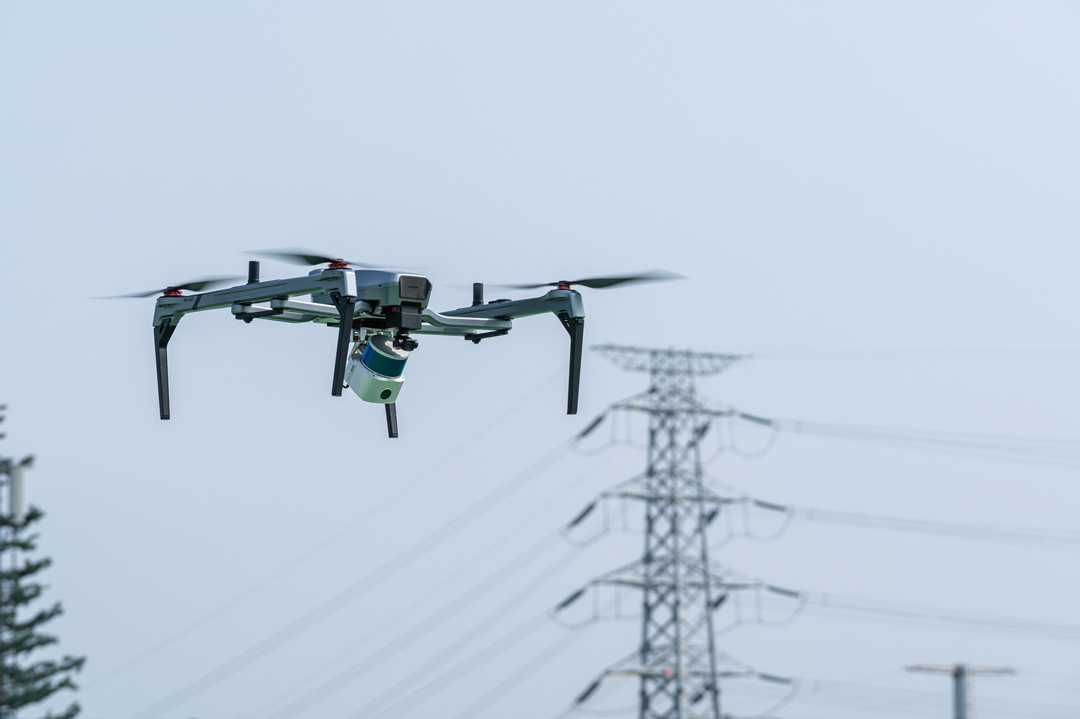
This category applies to drones that weigh more than 250g but lack an airworthiness certificate.
- Kinetic energy limit: The manufacturer must prove to the FAA that impact severity stays below 11 foot-pounds.
- Safety requirement: No exposed rotating parts.
- Documentation: The manufacturer must issue a Declaration of Compliance, and the specific model must appear on the FAA's accepted list.
- The industrial takeaway: Some smaller industrial platforms might qualify here. But the 11-foot-pound limit is restrictive for aircraft carrying meaningful payloads.
Category 3: The Worksite Drone
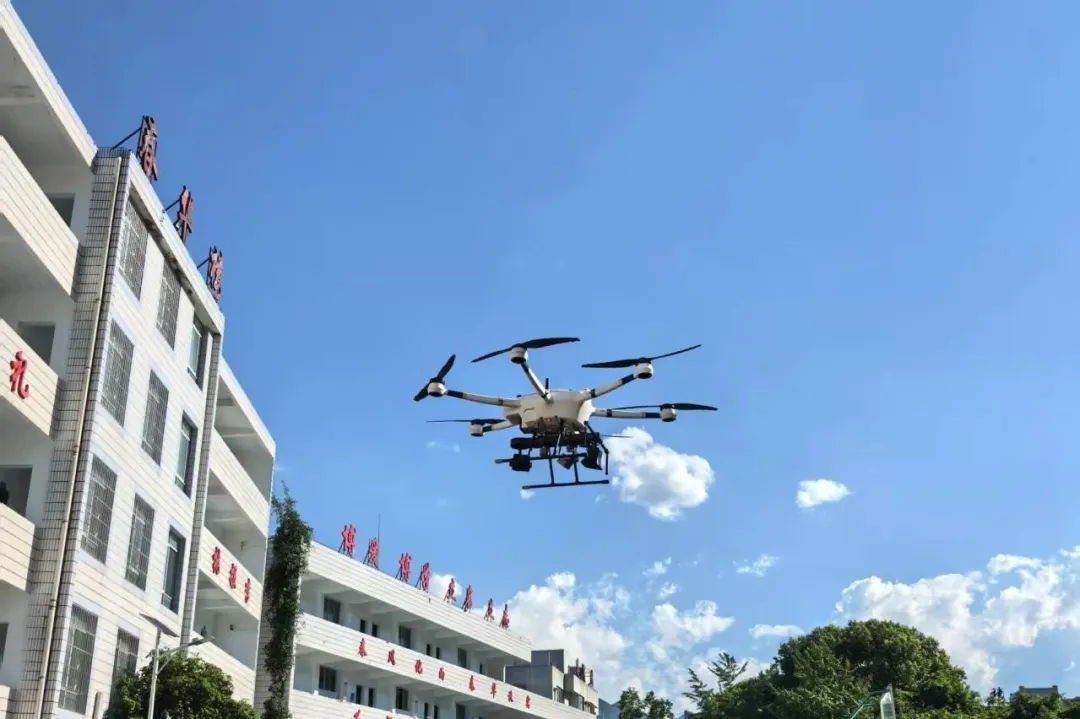
Heavy industrial drones begin to appear in this category, but they are attached to strings.
- Kinetic energy limit: 25 foot-pounds.
- The major restriction: You cannot fly over open-air assemblies (stadiums, concerts, rallies). Period.
- Permitted overflights: Only people who are directly participating, under covered structures, inside stationary vehicles, or have been notified of transient flights.
- The industrial takeaway: If your inspection route passes over a construction site where workers are briefed and wearing hard hats, Category 3 might work. If it passes over a public sidewalk, it won't.
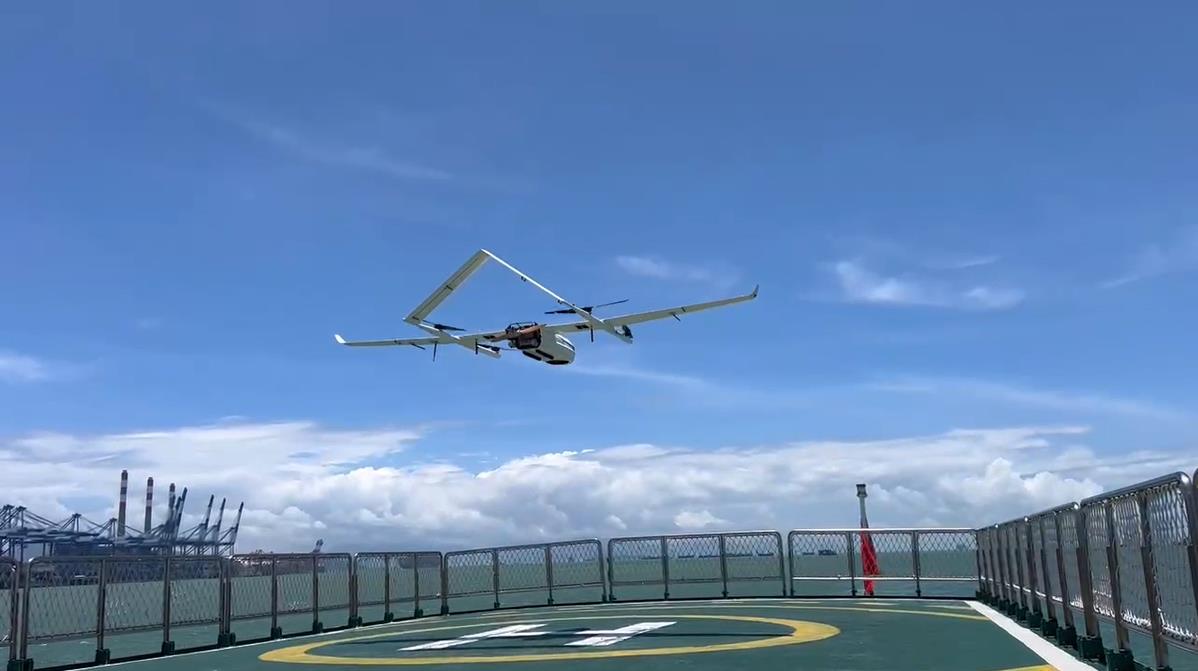
Category 4: The Certified Aircraft
This is the industrial operator's home.
- The requirement: The aircraft must hold a standard airworthiness certificate issued under 14 CFR Part 21—the same regulatory pathway as manned aircraft.
- Operations: You can fly over open-air assemblies (with remote ID) and over people generally, subject to the limitations in the FAA-approved flight manual.
- The implication: The FAA itself has certified the design, production, and reliability. This isn't a manufacturer's declaration; it's government certification.
- The industrial takeaway: For an industrial operator, Category 4 signals the highest level of regulatory acceptance. It means the aircraft's failure modes have been scrutinized at a level that consumer drones never face.
Two Universal Rules
Regardless of category, two rules apply to everyone:
No sustained flight over open-air assemblies without Remote ID. If you're hovering over a crowd, your drone must be broadcasting its position and identity.
Night operations no longer require a waiver, but you must complete updated FAA recurrent training, and your drone needs anti-collision lights visible for three statute miles.
The Bottom Line for U.S. Operators
- Hobbyist/influencer: Category 1. Buy a sub-250g drone, add prop guards, and enable Remote ID.
- Commercial inspector: Category 2 or 3. Verify your manufacturer has a Declaration of Compliance on file with the FAA.
- Industrial operator: Category 4. You're playing by manned-aircraft rules, which means your aircraft's design and reliability are part of the compliance equation.
The UK Market: The CAA's Distance-Based Framework
If the FAA thinks in categories, the UK's CAA thinks in meters. Their approach is almost geometric: draw a circle around every person, every building, every crowd, and stay outside it.
For the professional pilot, this is both simpler and more restrictive than it sounds.
The 50-Metre Bubble
Imagine an invisible cylinder around every uninvolved person. It's 50 metres wide and extends all the way up to the 120-metre legal ceiling. That cylinder is a no-fly zone. You cannot enter it, and you certainly cannot hover over the person at its centre.
- The one exception: Your own crew. Your spotter, your sensor operator, the client who signed the waiver—they're "involved persons." You can fly closer to them. But the duty of care never disappears.
- For the industrial operator: Your drone doesn't qualify for the under-250g exceptions that consumer drones enjoy. That 50-meter bubble is a hard floor, not a suggestion.
The 150-Metre Buffer from Built-Up Areas
You must keep at least 150 meters from residential, recreational, commercial, and industrial areas. This includes:
- Housing estates, towns, cities, schools
- Parks, beaches, tourist attractions
- Shopping centres, business parks, warehouses
- Factories, docks, transport hubs
For the industrial operator: If your mission requires flying over a city centre or industrial complex, you're not in the Open Category anymore. You're applying for operational authorization.
The Absolute Rule: No Crowds
A crowd is defined as any group where people cannot easily move away due to density. Shopping areas, sports events, concerts, busy beaches—all are off-limits, regardless of drone size or weight.
For the industrial operator: This rule has no exceptions. If your flight path might intersect with a gathering, even a temporary one, you need a contingency plan.
When You Need Permission
The rules above cover basic Open Category flying. If your mission requires:
- Flying closer than 50m to uninvolved people
- Flying over crowds
- Flying within 150m of built-up areas
- Operating near airports or in restricted airspace
...You need authorization from the CAA or the relevant authority. This typically means transitioning to the specific category and conducting a formal risk assessment.
For the industrial operator: This isn't a failure of planning—it's the standard path for professional operations. The Open Category is for consumer flights. The specific category is where industrial work happens.
The A-Categories: How Close Can You Get?
- A1: The "Over People" Zone
- C0 drones (under 250g): You are actually permitted to fly over uninvolved people. The regulation says you "may" overfly them, though you should minimise it where possible.
- C1 drones (under 900g): You should not fly over people. If you accidentally pass over someone, move away as quickly as possible.
- The industrial takeaway: If your VTOL weighs more than 900g—and it does—you're not in A1. This category exists for consumer drones only.
A2: The "Close but Careful" Zone
- Applicable to: C2-class drones (up to 4kg).
- The 30-metre rule: You must keep at least 30 metres horizontally from any uninvolved person.
- The low-speed exception: If your drone has a low-speed mode (limiting it to 3 m/s) and you've activated it, you can reduce the distance to 5 meters.
- The certification requirement: A2 operations require an additional certificate beyond the basic online training.
- The industrial takeaway: Some smaller industrial platforms might fit in C2, but the 4kg limit is restrictive for payload-capable aircraft. And the 30-meter rule still applies—this isn't free flight over people.
A3: The "Far from People" Zone
- Applicable to: C3, C4, and legacy drones without C-labels.
- The 150-meter rule: You must stay at least 150 meters from residential, commercial, industrial, and recreational areas.
- The reality: If there's a person or building in sight, you're probably too close.
- The industrial takeaway: This is where most industrial VTOLs live by default. If you're flying a C3-class aircraft (up to 25 kg), you're restricted to sparsely populated areas unless you seek additional authorization.
Involved vs. Uninvolved Persons
EASA draws a sharp distinction here:
- Involved individuals: Your crew, briefed and consenting. You can fly near them.
- Uninvolved individuals: Everyone else. The distance rules apply strictly.
The Path to Industrial Operations
If your mission requires flying over people or built-up areas with a C3 or larger aircraft, you leave the open category entirely. You enter the specific category, which requires:
- A risk assessment (often following the SORA methodology)
- Authorization from your national aviation authority
- Mitigation measures—which might include technical redundancies, operational procedures, or emergency response planning
- For the industrial operator: The C-class label on your aircraft tells you where you start. It doesn't define where you can go. With the right authorization and safety case, you can operate in environments that the Open Category prohibits.
Technical Solutions: Making Over-People Flights Possible
All of these regulations lead to the same question: How do you actually do this safely?
For the industrial operator, compliance isn't just about paperwork—it's about hardware. Here are the technologies that make over-people operations possible.
Ballistic Parachute Systems
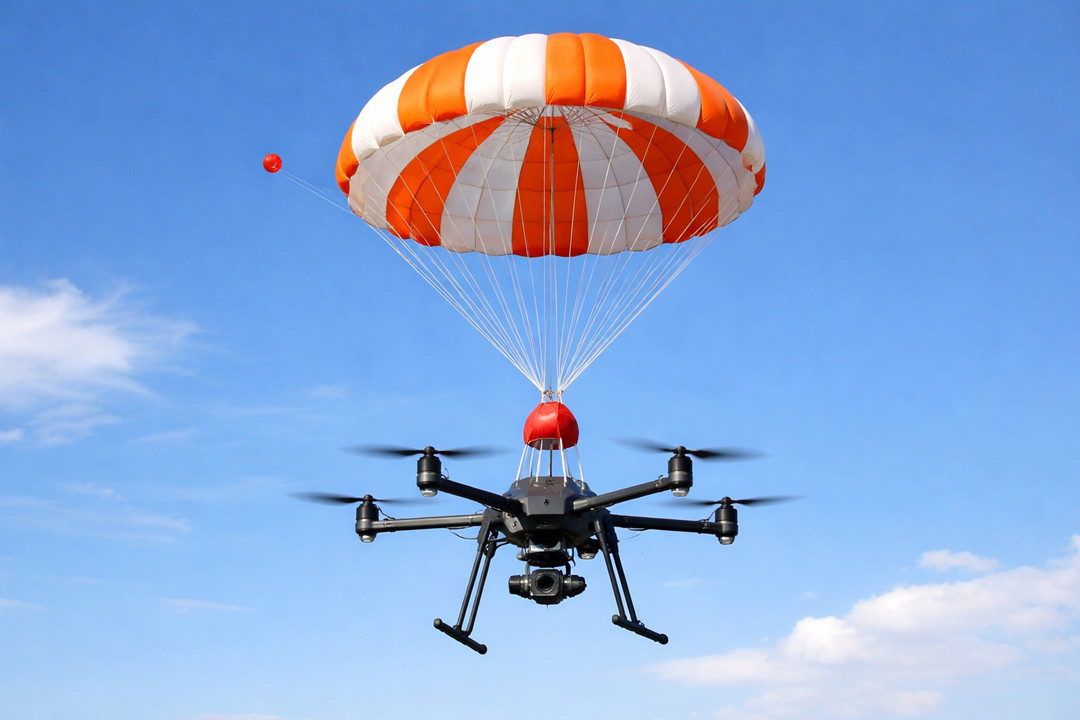
This is the single most important safety device for flights over people. In the event of structural failure, motor loss, or critical system malfunction, a ballistic parachute can lower the entire aircraft to the ground at a survivable descent rate.
Why regulators care: A parachute system transforms an uncontrolled impact into a controlled descent. It's the difference between 16,000 Newtons of force and a survivable landing.
Dual-Redundant Flight Controllers
Single points of failure are unacceptable for people. Industrial platforms use redundant flight controllers that cross-check each other constantly. If one detects a sensor anomaly or processor error, the second takes over instantly—often before the pilot even notices.
Redundant Power and Communications
- Dual batteries: If one cell fails, the aircraft still has power to land safely.
- Multiple communication links: If the primary 4G link drops out, the secondary RF link maintains control.
- Fallback positioning: When GPS degrades in urban canyons, visual-inertial odometry takes over.
Geo-fencing and Emergency Procedures
Modern industrial drones don't just rely on pilot vigilance. They have preprogrammed responses to lost links, low battery, or geofence breaches—responses designed to keep the aircraft away from people even when communication fails.
Read More
Picking drone mapping software feels harder than it should be.
Open any review site, and you will see the same ten names repeated: Pix4D, DroneDeploy, DJI Terra, Agisoft Metashape, UgCS. But the recom
Here’s the question every drone pilot hears: How much should I charge?
And here’s the honest answer: $100 to $500 an hour, or $300 to $5,000 per project, depending on what you’re doi

JOUAV Product News and Use Cases
Fixed-Wing VTOL Drones Insights and Industry Trends
Invitations to online demo events
 English
 中文
中文